Embark on the Journey to Your Affordable Dream Home: Unraveling the Enchanting World of Tiny Homes
In an era where soaring housing prices cast a shadow on our financial aspirations, tiny homes emerge as a radiant beacon of affordability and sustainability. These compact abodes unlock a world of possibilities for those seeking a cozy haven without breaking the bank.
Aspiring homeowners and adventurers alike often grapple with the daunting costs associated with traditional homes. The relentless climb of real estate prices and hefty mortgages can seem insurmountable, leaving many feeling locked out of the housing market. However, with tiny homes, these barriers dissolve, offering a refreshing and accessible path to homeownership.
Delving into the realm of tiny homes prices, we discover a spectrum of possibilities ranging from charming minimalist retreats to luxurious mobile mansions. To provide a clearer perspective, let’s explore some ballpark figures:
-
Entry-level tiny homes: Starting from as low as $20,000, these basic dwellings offer essential amenities and a cozy living space.
-
Mid-range tiny homes: These homes typically range between $50,000 and $80,000, featuring more spacious layouts, modern appliances, and tasteful finishes.
-
High-end tiny homes: For those seeking the ultimate in luxury and comfort, these homes soar above $100,000 and boast exquisite craftsmanship, premium materials, and opulent amenities.
Remember, these prices are merely estimates and can vary depending on factors such as materials, size, and customization options. However, one thing remains certain: tiny homes offer a significantly more affordable alternative to traditional housing, empowering individuals to realize their dream of homeownership sooner rather than later.
Tiny Homes: Affordable Living in a Big Way
In an era of skyrocketing housing costs and environmental concerns, tiny homes have emerged as a beacon of hope for those seeking affordable and sustainable living. These diminutive dwellings, measuring typically less than 500 square feet, offer a wealth of benefits, from financial freedom to reduced environmental impact.
Financial Empowerment:
The allure of tiny homes lies in their affordability. With a significantly smaller footprint, these homes require less materials and labor to construct, leading to lower acquisition and maintenance costs. This makes homeownership more attainable for individuals and families who may struggle to afford traditional homes.
Image: https://tse1.mm.bing.net/th?q=tiny%20home%20cost%20saving
Environmental Sustainability:
Tiny homes have a considerably smaller carbon footprint than conventional homes. Their compact design and energy-efficient features, such as solar panels and rainwater harvesting systems, minimize their environmental impact. By choosing to live in a tiny home, individuals can contribute to a more sustainable planet.
Image: https://tse1.mm.bing.net/th?q=tiny%20home%20sustainability
Enhanced Community:
Tiny home communities often foster a sense of belonging and connection among residents. Shared spaces and common areas encourage socialization and collaboration, creating a supportive environment where bonds are formed.
Image: https://tse1.mm.bing.net/th?q=tiny%20home%20community
Flexibility and Portability:
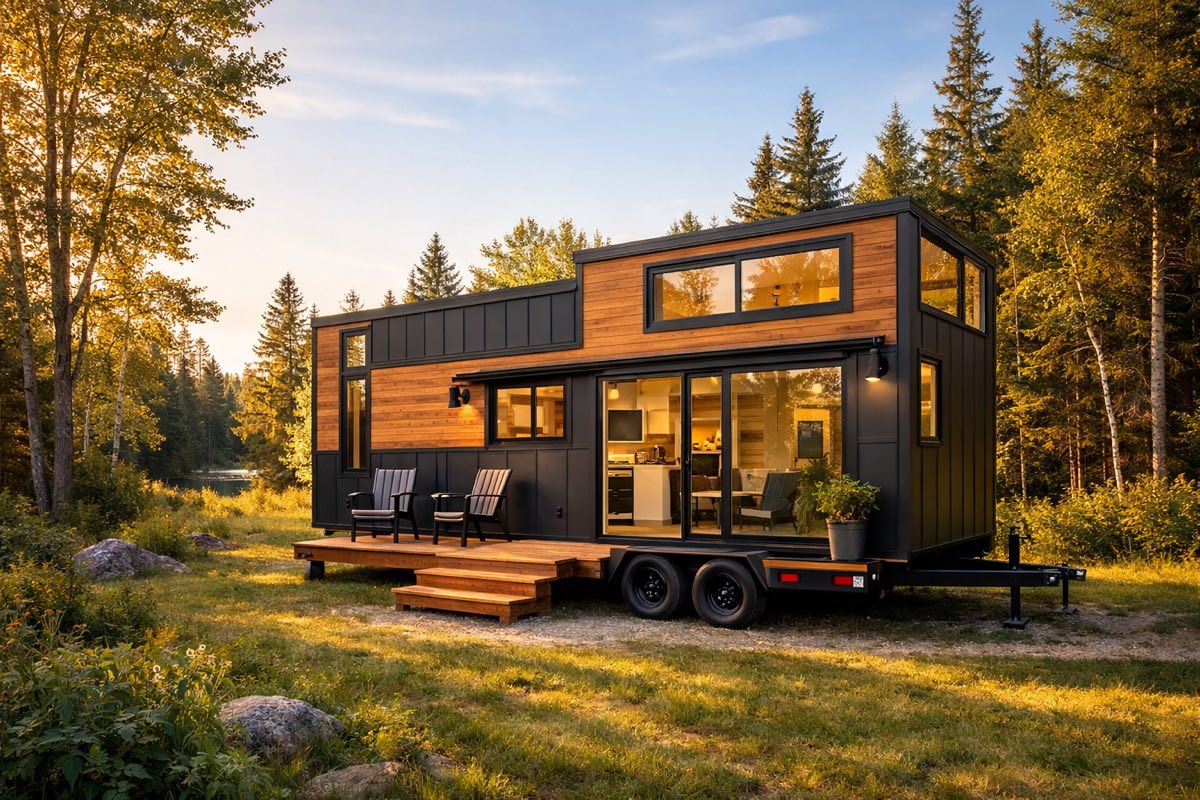
Many tiny homes are built on wheels, offering the unique ability to move. This portability provides freedom and flexibility, allowing residents to relocate with ease, pursue adventure, or seek out more affordable living options.
Image: https://tse1.mm.bing.net/th?q=tiny%20home%20portability
Creative Expression:
Tiny homes are a canvas for personal expression. Residents can customize their homes to reflect their unique tastes and lifestyles, creating cozy and functional spaces that enhance their well-being.
Image: https://tse1.mm.bing.net/th?q=tiny%20home%20design
Efficient Use of Space:
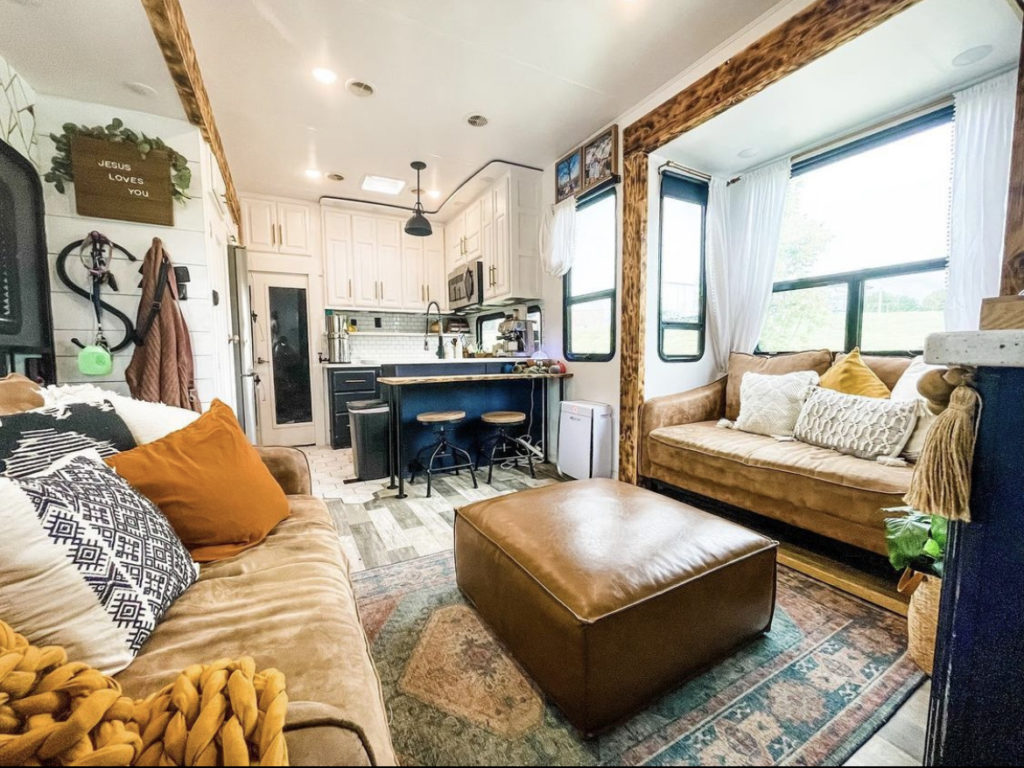
Every inch of space in a tiny home is carefully designed to maximize functionality. Built-in storage solutions, convertible furniture, and multipurpose spaces optimize space utilization, creating a surprisingly spacious and comfortable living environment.
Image: https://tse1.mm.bing.net/th?q=tiny%20home%20space%20optimization
Reduced Material Consumption:
The compact nature of tiny homes results in reduced resource consumption. They require less materials to construct, including wood, cement, and other building supplies, contributing to a more environmentally conscious way of living.
Image: https://tse1.mm.bing.net/th?q=tiny%20home%20material%20consumption
Simplified Maintenance:
Smaller homes require less time and effort to maintain. Cleaning, repairs, and other household tasks become less daunting and time-consuming, freeing up more time for pursuing passions and hobbies.
Image: https://tse1.mm.bing.net/th?q=tiny%20home%20maintenance
Community Building:
Tiny home communities often promote communal living and shared resources. Residents can come together for meals, work on projects, or simply socialize, fostering a sense of belonging and connection.
Image: https://tse1.mm.bing.net/th?q=tiny%20home%20community%20building
Conclusion:
Tiny homes offer a compelling solution to the challenges of affordability, sustainability, and community. By embracing the minimalist lifestyle and maximizing space efficiency, tiny homes empower individuals to live comfortably, connect with others, and reduce their environmental impact. Whether you are seeking financial liberation, a more sustainable lifestyle, or a sense of community, tiny homes provide a unique and fulfilling alternative to traditional living.
FAQs:
-
What are the benefits of living in a tiny home? Affordability, reduced environmental impact, enhanced community, flexibility, creative expression, efficient space utilization, reduced material consumption, simplified maintenance, community building.
-
How much does it cost to build a tiny home? Costs vary depending on factors such as size, materials, and location, but typically range from $20,000 to $60,000.
-
What are the drawbacks of living in a tiny home? Limited space, potential challenges with storage, less privacy, may require adjustments to lifestyle.
-
Is it difficult to live in a tiny home? While some adjustments may be required, most people find that the benefits outweigh the challenges.
-
What are the different types of tiny homes? Tiny homes on wheels, park models, cabins, container homes, and modular homes.