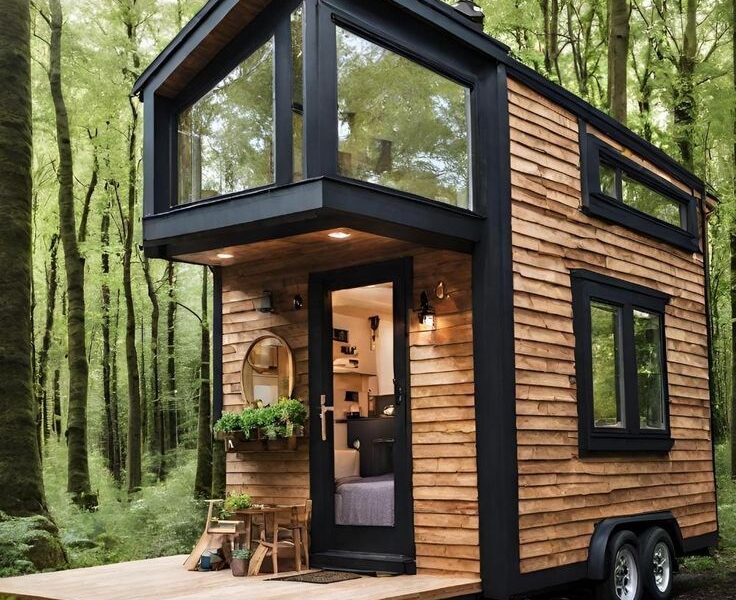
Multifunctional Furniture for Tiny House Alternatives: Smart Choices for Small Spaces
Living in a tiny house means every square inch counts. Whether you're downsizing, building your first tiny home, or simply looking to make a small apartment work harder, the right furniture can change how you use your space. This article examines multifunctional furniture options supported by the available source information, helping you identify pieces that work harder without cluttering your home.
Why Multifunctional Furniture Matters for Tiny Houses
The demand for compact living solutions is growing. Urban populations in the United States are rising, particularly in densely populated cities like New York, and this has led to smaller living spaces and a rising preference for low-cost compact apartments. These conditions are described as driving growth in multifunctional furniture, which helps save floor space in a small house. The trend of remote work and freelancing has further increased preference for furniture that serves multiple purposes—such as a sofa with inbuilt storage units or one that folds into a full-size bed—because these functions reduce the floor space wasted by using multiple separate furniture products. According to data published by the United States Bureau of Labor Statistics, 1 out of every 5 workers worked from home for pay in 2023 [9].
The multifunctional furniture market reflects this shift. One market report estimates the market size will increase by USD 15.2 billion at a CAGR of 5.5% by 2030, with the current market value pegged at USD 1.3 billion. Major players covered in that report include IKEA (Netherlands), Lifetime Products (United States), Expand Furniture (Canada), Resource Furniture (United States), Nova Furniture (Texas), Crate & Barrel (United States), HomeLane (Bangalore), West Elm (United States), Pottery Barn (United States), and Ethan Allen (United States). Multifunctional furniture is described as engineered to maximize space efficiency, especially in smaller living spaces or areas with limited room, and its hallmark is the ability to offer versatility and adaptability—pieces that transform or convert into different configurations [10].
The tiny house movement itself is described as offering an opportunity to address the challenges of affordable housing while contributing to residential building decarbonization. Tiny houses de-emphasize mass consumption and excessive belongings and are described as having potential to address equity issues such as gentrification by providing living spaces to low-income residents in desirable housing locations. However, tiny house proponents face regulatory hurdles: covenants dating to the early twentieth century often prohibit the construction of structures smaller than a certain square footage, and communities must alter land use policy to accommodate tiny and small houses while retaining good city form. Buyers should also be aware that permit requirements vary by locality; in Washington State, if a new tiny house is built in a factory or elsewhere and then moved to where it will be used, an L&I insignia is required, and only tiny houses built to plans approved by L&I and inspected during construction receive that insignia. [2][4][5]
Key Considerations Before Buying
Before diving into specific alternatives, keep these practical factors in mind:
Measure the width, depth, and height of the intended location, and record doorway, hallway, and stair dimensions before ordering. Request the manufacturer's stated weight capacity documentation for each intended use, such as sleeping, desk work, or seating. Ask the seller about professional installation availability for wall-mounted systems, and request written installation instructions in advance. Contact the manufacturer or retailer to confirm current pricing, stock levels, and any active discounts before purchasing.
Top Multifunctional Furniture Alternatives for Tiny Houses
Convertible Sofa Beds with Storage
A multifunctional sofa bed is presented as a strong option for a tiny house. During the day, it serves as a seating area for relaxing or entertaining guests; at night, it transforms into a bed for rest. Many multifunctional sofa beds have built-in storage options, such as under-seat compartments or hidden drawers, providing extra space to stow away bedding or other essentials. This dual functionality eliminates the need for separate seating and sleeping areas, saving valuable space. In a tiny home, furniture is described as needing to be multifunctional and adaptable to ensure you have all the essential features you need while occupying minimal space [7].
Test the mattress thickness and support in person at a showroom before deciding. Ask the retailer whether seat cushions need removal during conversion, and request a demonstration of the full opening and closing sequence. Request the manufacturer's care and usage documentation for the conversion mechanism.
What to look for: A compact footprint that fits your room, an easy conversion mechanism, and storage capacity that matches your needs [7].
Lift-Top Coffee Tables
A lift-top coffee table can serve as a coffee table, desk, and dining table in one piece. One example cited is the Wehomz 3-in-1 Modern Lift Top Coffee Table, which the manufacturer describes as coming with all three essential functions of a table—you can use it as a desk for work or study, as a coffee table for when you have guests, and as a dining table for a meal. It comes already set up, so you can place it in your living room straight out of the box [8].
Practical limitations: The lifting mechanism adds weight and complexity. Check that the raised height works with your seating—some lift-top tables may not be comfortable for extended work sessions if your sofa or chair is too low.
What to look for: A smooth lifting mechanism, a stable base, and a surface large enough for your laptop or dinner plates when raised.
Nesting Tables
Nesting tables offer flexibility without taking up permanent floor space. A set of two or three tables of varying sizes can be stacked together when not in use, then separated when you need extra surface area for guests, snacks, or workspace. White round nesting coffee tables are presented as a contemporary choice for small spaces [8].
Measure the surface dimensions of each nested table and record them next to the intended dining and work placements. Compare each tabletop size with the dishes, devices, or documents expected during typical use. Ask the supplier for the manufacturer's stated load capacity per table. Decide between primary dining use and occasional supplementary use based on those recorded measurements.
What to look for: Sturdy construction that prevents wobbling when separated, and a design that complements your existing furniture.
Extendable and Folding Dining Tables
An extendable dining table gives you the flexibility to accommodate guests without dedicating floor space every day. Some models fold down to a compact size that can serve as a small desk or side table when not in use for dining. The Rectangular Extendable Folding Dining Table is described as a versatile piece for small spaces: when you don't need to use it as a dining table, you can fold it up and use it as a small desk or a side table. Extendable table designs are highlighted among space-saving furniture ideas for tiny houses. [6][8]
Inspect the extension leaves in person and record their individual weight and storage footprint. Ask the retailer for a demonstration of the folding mechanism, and note how many hands or people the operation takes. Measure the fully extended table size and compare it with the surrounding walkway clearances in your floor plan. Request the manufacturer's storage and handling guidance for the detached leaves.
What to look for: A smooth extension mechanism, easy storage for leaves, and a size that fits your space both folded and extended.
Wall-Mounted Fold-Out Desks
For tiny houses where every horizontal surface is precious, wall-mounted fold-out desks are a potential solution. These units attach to the wall and fold down when you need a workspace, then fold back up to become a decorative shelf or cabinet. Shelves with a fold-out table are recommended when you need more space in your living room, workplace, bedroom, or even kitchen: such a piece has lots of space for books and souvenirs, but also includes a function that allows you to use it as a desk and dining table, with a sleek and space-efficient design [6].
Inspect the wall construction and record the stud locations and wall material before mounting. Request the manufacturer's installation instructions and approved anchor specifications for the wall type. Measure the folded depth of the unit and compare it with the clearance available in the room layout. Verify the manufacturer's stated weight capacity against the combined weight of the laptop and accessories.
What to look for: Sturdy hinges, sufficient surface area for your work needs, and integrated storage that keeps your workspace organized.
Box Beds with Integrated Study Tables
A box bed with an attached study table is a potential solution for tiny houses where the bedroom doubles as a workspace. The bed frame incorporates a desk surface, allowing you to work or study without needing a separate desk. This design groups furniture together at one end of the room, leaving the other side open for easy mobility. The box bed is described as the most common design solution among smart furniture for small spaces, and a box bed with a study table attached to it is a typical example; a multipurpose table with storage can be kept alongside it [6].
Practical limitations: The desk may be at a fixed height that doesn't suit all users. Bedding changes may be more difficult with furniture attached to the bed frame. Ensure the mattress size is standard for easy replacement.
What to look for: Adjustable desk height if possible, adequate legroom under the desk, and a mattress size that's easy to replace.
Shelving Units That Double as Room Dividers
In open-concept tiny houses, shelving units can serve as both storage and partitions. These units divide the space into functional zones—separating the living area from the sleeping area, for example—while providing shelves for books, decor, and everyday items. Some designs include a fold-out table integrated into the shelving, giving you a desk or dining surface that tucks away when not in use. Shelves and storage units as partitions are identified among multipurpose furniture options for tiny houses [6].
Ask the manufacturer for the recommended wall-anchoring method and hardware for the shelving unit. Request the manufacturer's stated weight guidance per shelf, including guidance for upper shelves. Measure the unit's depth and compare it with the available floor area in the layout. Discuss a cleaning routine that covers exposed shelf surfaces, and record the anchoring steps in your assembly notes.
What to look for: Stable construction, wall-anchoring hardware included, and a design that allows light to pass through to avoid making the space feel closed in.
Murphy Beds (Wall Beds)
Murphy beds fold vertically into a cabinet or wall unit, freeing up floor space during the day; when you need to sleep, you pull the bed down. Many modern Murphy beds include integrated shelving, desks, or sofas, making them a more complete space-saving solution.
Verify the wall construction and stud or anchoring requirements listed in the manufacturer's installation instructions. Measure the ceiling height and the clearance needed for the bed to fold down, and record both next to the intended placement. Request the installed weight, shipping weight, and current pricing details from the supplier. Ask whether the manufacturer recommends professional installation for the specific model. Confirm the recommended mattress size and type with the manufacturer before purchasing bedding.
What to look for: A smooth folding mechanism, integrated storage or desk if desired, and a mattress that meets your comfort needs.
How to Choose the Right Multifunctional Furniture
Start by identifying your most frequent activities. If you work from home, prioritize a desk solution. If you entertain often, focus on seating and dining flexibility. If storage is your biggest challenge, look for pieces with built-in compartments.
Measure twice, buy once. Create a floor plan with dimensions of your space, including door swings and traffic paths. Compare these against the furniture's dimensions in all configurations—folded, extended, and in use.
Check compatibility with your existing items. A sofa bed may not fit your current bedding. A lift-top table may not match your sofa height. Verify these details before purchasing.
Consider the conversion frequency. If you'll convert a sofa bed daily, choose one with a simple mechanism. If you only need extra seating a few times a year, a more complex system may be acceptable.
Final Recommendations
For many tiny house owners, a combination of pieces works as a strong option:
- Start with a convertible sofa bed with storage – This addresses seating, sleeping, and storage in one piece.
- Add a lift-top coffee table – This gives you a workspace and dining surface without dedicating floor space to a desk or dining table.
- Consider a Murphy bed if you have a separate sleeping area that needs to double as a living space during the day.
- Use wall-mounted fold-out desks for dedicated workspaces that disappear when not needed.
Remember that prices, stock levels, discounts, and model-year details change frequently. Always verify the current manufacturer or retailer listing before making a purchase. Measure your space, check weight limits, and read recent customer reviews to ensure the piece meets your needs.
With the right multifunctional furniture, your tiny house can feel spacious, organized, and well suited to your lifestyle.
—
Sources
[1] Multifunctional Furniture for Tiny Houses–Design, Quality, Innovation and Sustainability in Advanced Materials. *Springer Proceedings in Business and Economics*, 2023. https://ouci.dntb.gov.ua/en/works/4rZrwwN4
[2] "Tiny Houses." Washington State Department of Labor & Industries. https://lni.wa.gov/licensing-permits/manufactured-modular-mobile-structures/tiny-homes
[3] "Ideology V. Reality: The Tiny House Movement in America." East Texas A&M University. https://lair.etamu.edu/cgi/viewcontent.cgi?article=1120&context=honorstheses
[4] Siegner, A.B., Webster, B., Bolliger, I., Kammen, D.M. "Energy and Water Performance of an Off-Grid Tiny House in California." *Journal of Green Building*, 2022. https://rael.berkeley.edu/wp-content/uploads/2022/01/Siegner-Webster-Bolliger-Kammen-TinyHouse-2022.pdf
[5] "Integrating Tiny Houses into the American Urban Fabric." Clemson University. https://open.clemson.edu/all_dissertations/1894
[6] "15 Unique Multifunctional Furniture For Tiny Houses." Gharpedia. https://www.gharpedia.com/blog/multifunctional-furniture-for-tiny-houses
[7] "Best Tiny House Furniture Ideas: Picks & Tips." Great Lakes Tiny Home. https://greatlakestinyhome.com/tiny-house-furniture
[8] "Tiny House Multifunctional Furniture: 8 Inspiring Ideas." WEHOMZ. https://wehomzfurn.com/blogs/decoration-ideas/best-tiny-house-multifunctional-furniture-ideas-8-inspirational-designs-you-can-try
[9] "Multifunctional Furniture Market Size Report, 2025 – 2034." Global Market Insights. https://www.gminsights.com/industry-analysis/multifunctional-furniture-market
[10] "Expand Furniture – Products, Competitors, Financials, Employees, Headquarters Locations." CB Insights. https://www.cbinsights.com/company/expand-furniture