Essential Tiny House Safety Tips and Fire Prevention for US Residents
Living in a tiny house means every square foot counts—and that includes safety planning. Because cooking, heating, and electrical systems are often packed within a few feet of each other, the risk of fire is concentrated in a way that larger homes don't face [5]. With the right tools and habits, you can dramatically reduce those risks. Below are evidence-based tips to keep your tiny home safe.
Fire Detection and Suppression: Your First Line of Defense
Install Interconnected Smoke and Carbon Monoxide Alarms
In a tiny house, fire can spread quickly. Install at least two smoke detectors—one near the sleeping area and one in the kitchen. Interconnected alarms link units so that when one detects smoke, all alarms sound, which is especially critical if you sleep in a loft. [1][2]
Carbon monoxide (CO) detectors are essential, especially in tiny houses with gas appliances. Select a battery-operated or hardwired CO detector, and install these devices near sleeping areas and on every level of your tiny home. Off-grid heating means carbon monoxide risk too—pair detection with suppression. [2][5]
Keep a Fire Extinguisher Within Easy Reach
Keep a compact, multipurpose fire extinguisher within easy reach. Mount it near an exit—one you can grab on the way out, not one trapped behind a fire. Also consider a fire blanket in the kitchen and living areas; look for a wool or fiberglass option, which can smother flames quickly and safely. [2][5]
Consider Automatic Fire Suppression
Research has shown that fire sprinklers, combined with early warning smoke alarms, reduce fire fatalities in a residential home by more than 82%. FEMA required all Manufactured Housing Units used for disaster emergency housing to be equipped with residential automatic fire sprinkler systems since 2016. The International Residential Code (IRC) requires all new residential homes to have residential automatic fire sprinklers, though most states continue to reject adoption of this specific section. The NFPA 13D standard added new language in the latest 2022 edition addressing tiny houses [3].
If a full sprinkler system isn't feasible, target the highest-risk areas. Mount automatic suppression over the battery/electrical cabinet and the cooking area—the two most likely origins. For sealed, non-ventilated spaces like a battery box or breaker enclosure, a fire-extinguishing wire sits inside the cabinet and discharges right at the source [5].
Electrical Safety
Hire a Qualified Electrician for All Installations
Use a qualified electrician for all installations. Don't overload circuits with too many appliances. Inspect wiring regularly for wear or damage. Consider surge protectors for sensitive electronics [1].
Map Your Ignition Sources
Walk the space and mark every spot that gets hot or carries current: stove, propane appliances, battery bank, inverter, electrical panel, wood stove flue. This helps you prioritize where to place suppression devices [5].
Cooking and Heating Safety
Never Leave Cooking Unattended
Never leave cooking unattended and keep flammable items away from heat sources. The leading causes of home fires are cooking, heating, and electrical malfunction—and a tiny house stacks all three within a few feet of each other. [1][5]
Safe Heating Practices
Space heaters are often used to heat a tiny house. Install proper ventilation in bathrooms and kitchens. Use range hoods when cooking. Open windows regularly for fresh air circulation. [1][6]
Structural and Weather Preparedness
Regular Structural Inspections
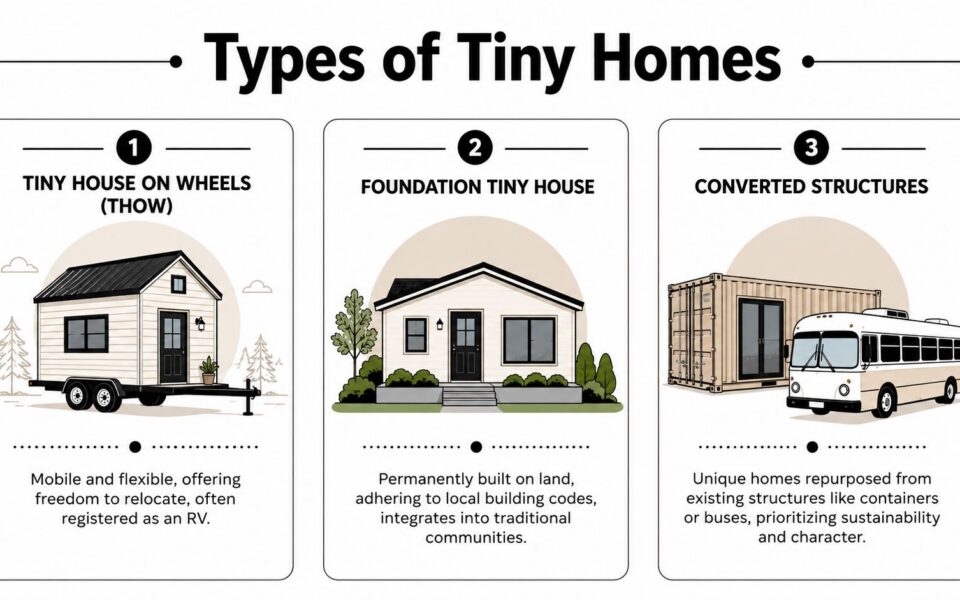
Whether your tiny house is on wheels or a foundation, regularly inspect the structure for signs of wear. Check anchor points and tie-downs if mobile. Ensure proper leveling to prevent stress on the frame. Have a professional inspect annually [1].
Prepare for Extreme Weather
Wind: Secure loose items and ensure proper anchoring. Cold: Insulate pipes to prevent freezing. Heat: Install proper ventilation and consider reflective window coverings. Storms: Know your local emergency procedures [1].
Escape Planning
Have at Least Two Ways Out
Ensure you have at least two ways to exit in an emergency. In a loft layout, your only egress may be a single window. Make sure it opens and everyone can reach it in the dark. Practice your escape plan regularly. [1][5]
Keep an Extinguisher by the Exit
Keep a manual ABC extinguisher by the exit—one you can grab on the way out, not one trapped behind the fire [5].
Fire-Resistant Building Materials
When building or renovating, consider fire-resistant materials. Options include fiberglass insulation, fire-rated drywall, cement board siding, and metal roofing [2].
Maintenance Tips for Fire Prevention Tools
Regular maintenance of fire prevention tools is vital in ensuring safety in tiny homes. Test smoke alarms monthly and replace batteries as needed. Inspect fire extinguishers annually to ensure they're fully charged [2].
Practical Limitations and What to Verify
Sprinkler Systems: Not Always Required
While the IRC recommends residential sprinklers for new homes, most states have not adopted that requirement. For tiny houses on wheels, local codes vary widely. Check with your local fire marshal or building department to understand what's required in your area [3].
Off-Grid Considerations
For off-grid heating, carbon monoxide risk is present—pair detection with suppression. Match the device rating to the location. Use a higher-temperature device for a hot loft or shed and a standard rating for living areas, so it triggers on a real fire, not a warm afternoon [5].
Final Recommendations
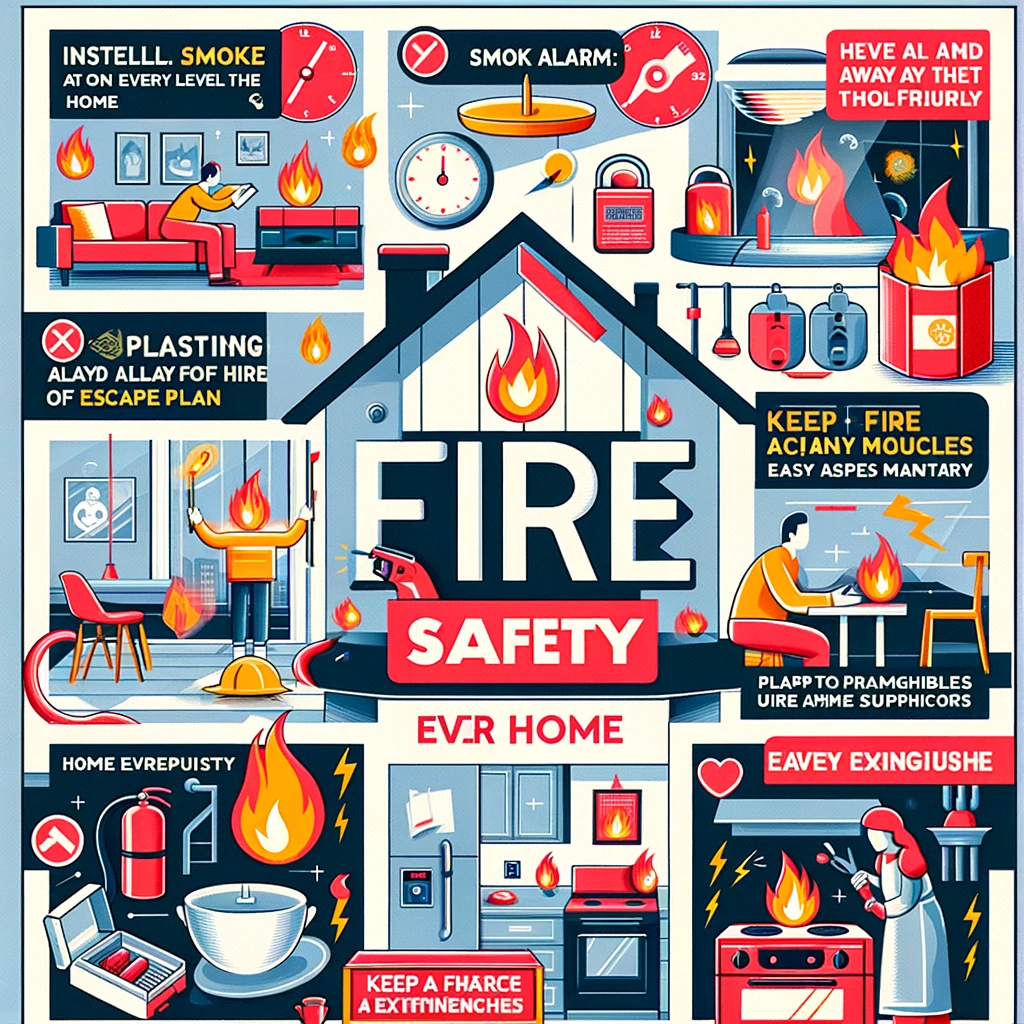
Start with the basics: interconnected smoke and CO alarms, a fire extinguisher by the exit, and a fire blanket in the kitchen. Map your ignition sources and consider automatic suppression over the highest-risk areas. Practice your escape plan regularly. Always verify local building codes and product specifications before making purchases.
By taking these steps, you can enjoy the benefits of tiny house living while keeping yourself and your home safe.
—
Sources
1. Berghaus. "5 Essential Safety Tips for Tiny House Living." https://www.berghaus.house/en/blog/safety-tips 2. Habitatista. "10 Best Fire Prevention Tools for Safety." https://www.habitatista.com/14367/best-fire-prevention-tools-for-tiny-houses 3. National Fire Sprinkler Association. "Tiny Fires in Tiny Homes: Fires in Manufactured Housing Units." https://nfsa.org/2022/11/01/tiny-fires-in-tiny-homes-fires-in-manufactured-housing-units 4. X-Sense. "Top Fire Prevention Safety Tips That You Should Know." https://www.x-sense.com/blogs/tips/home-fire-prevention-safety-tips 5. Haven Fire Safety. "Best Tiny House & Off-Grid Fire Suppression in 2026." https://havenfiresafety.com/blogs/news/best-tiny-house-off-grid-fire-suppression-in-2026-how-to-protect-a-small-space-with-no-power-required 6. APU Edge. "The Public Safety Considerations of the Tiny House Movement." https://apuedge.com/public-safety-considerations-of-the-tiny-house-movement