
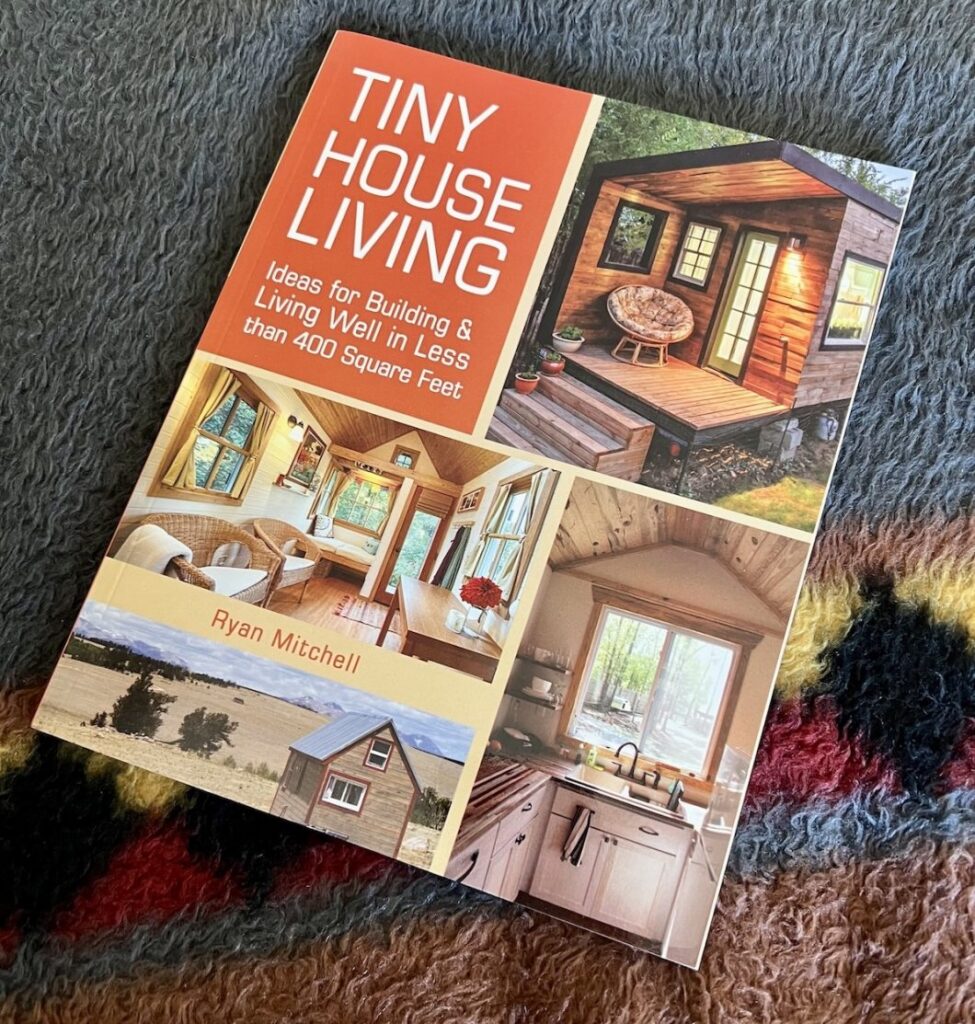
The Tiny House Lifestyle: A Practical Guide to Living Smaller in the United States
The tiny house movement has grown from a niche curiosity into a significant lifestyle trend across the United States. For many Americans, the appeal goes far beyond the novelty of a small space—it represents a deliberate choice to pursue financial freedom, environmental responsibility, and a more meaningful daily life. This guide explores the benefits of the tiny house lifestyle, along with the practical challenges you should consider before making the leap.
Understanding the Tiny House Movement
A tiny house is typically defined as a dwelling between 100 and 400 square feet. Research into the tiny house lifestyle suggests that enthusiasts view it as a practical path to a simpler existence characterized by greater security, autonomy, meaningful relationships, and new experiences. Rather than feeling deprived, many tiny house residents report that living with less actually enhances their quality of life [2].
Financial Benefits of Going Tiny
Reduced Housing Costs
One of the most immediate and compelling benefits of tiny house living is the potential for significant cost savings. Housing is typically the largest expense for American households, and tiny homes offer a way to reduce or eliminate that burden. According to available data, 50 percent of Americans between the ages of 18 and 34 rent their homes because they cannot afford a down payment on a conventional house. Tiny homes provide homeowners a wide breadth of savings opportunities, including smaller utility bills and lower taxes. Many micro-home dwellers report increased happiness levels after adjusting to this minimal way of life [2]. The financial pressures driving this shift are real. Tiny homes provide an alternative path to homeownership that does not require taking on decades of debt.
Lower Utility Bills and Property Taxes
Because of their small size, tiny houses consume far less energy than traditional homes. Since most tiny houses are only 400 square feet at their largest—as opposed to the average American's house of about 2,300 square feet—they have less space to heat and cool. This translates directly into lower monthly utility bills. Additionally, the reduced square footage typically means lower property taxes, though this varies significantly by location and how the home is classified [2].
Financial Freedom and Flexibility
The combination of lower housing costs, reduced utility bills, and minimal maintenance expenses can free up a substantial portion of your monthly income. The tiny house movement suggests that you don't need to live your life saddled with a mortgage payment. Instead, you can use that money to travel or enjoy other adventures [2]. Many tiny house dwellers use this financial breathing room to pursue other goals—whether that means working fewer hours, starting a business, traveling, or simply reducing financial stress.
Environmental Advantages
Reduced Resource Consumption
Tiny houses are inherently more environmentally friendly than conventional homes. Their smaller size requires less lumber, plastic, and metal fixtures during construction, reducing the demand for natural materials. Some tiny homes are even built using 100 percent recycled materials, further minimizing their environmental footprint. Tiny houses produce about 90% fewer carbon emissions than traditional homes, consuming 45% less energy. They also promote sustainable living practices, such as using eco-friendly building materials and implementing water conservation systems. Many tiny homes are designed for off-grid living, further reducing their environmental impact [2].
Energy Efficiency and Renewable Energy
The compact size of a tiny house makes it easier to heat, cool, and power with renewable energy. Many tiny house owners install solar panels and energy-efficient appliances to create a sustainable living environment. Daily life in tiny houses naturally leads to environmental awareness. These homes excel at water conservation with their rainwater collection systems [2].
Sustainable Daily Habits
Living in a small space naturally encourages environmentally conscious behavior. Research shows tiny home residents tend to purchase fewer items and reduce waste, recycle more frequently, and choose local food options [2]. These habits develop organically when you simply do not have room for excess.
Lifestyle Transformation
Minimalist Living
Tiny houses naturally encourage a minimalist lifestyle. When you have limited space, you become much more intentional about what you bring into your home. Residents can clean their entire home in just 45 minutes, saving plenty of time for personal activities. By having fewer belongings and limited space, you naturally avoid frivolous purchases to prevent clutter from accumulating. Upkeep of a mini home also tends to be easier than in a traditional home—there is less floor space and fewer windows to clean, no lawn to mow, and a smaller exterior to repair and maintain—allowing you more time and financial freedom to enjoy your surroundings [2].
Increased Mobility
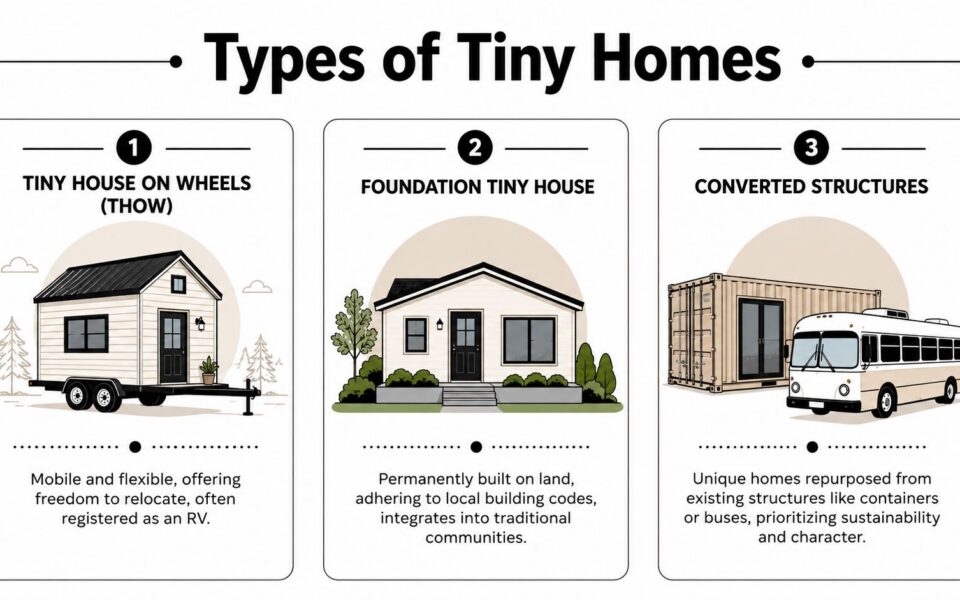
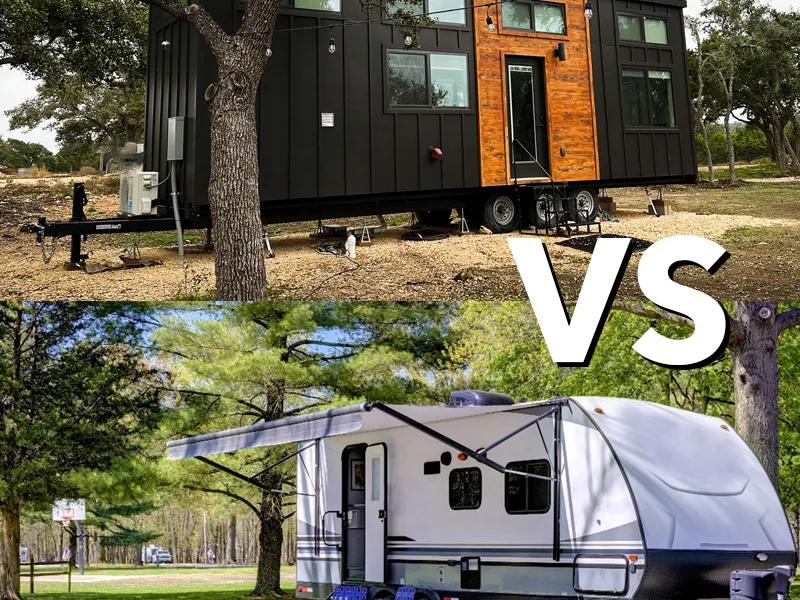
Many tiny houses are built on wheels, which offers a level of mobility that traditional homeowners do not have. There is a freedom that accompanies living in a tiny home on wheels. One of the biggest benefits is that you can take your home on the road whenever you feel like it, travel, and live from place to place while still being in the comfort of your own home. Plus, having a mobile tiny home gets you around city building codes and zoning laws that foundational homes (including tiny ones) must adhere to. Whether you want to spend summer on the Great Lakes and winter in sunny L.A. or want the option to take a tour of your favorite national parks, a tiny home lets you travel more often. With all your belongings in one building that can easily hitch to a truck, you can change your lifestyle to finally make your sightseeing dreams come true [2].
Stronger Relationships and Community
The tiny house lifestyle often leads to more time spent outdoors and greater engagement with the surrounding community. With less space to maintain and fewer possessions to manage, many residents find they have more time and energy for the people in their lives. Research suggests that the pursuit of meaningful relationships is a central motivation for many who adopt this lifestyle [2].
New Experiences and Personal Growth
For many, tiny house living is about seeking new experiences and personal growth. The lifestyle requires adaptation and creativity, which can be deeply rewarding. The tiny house lifestyle represents a contemporary answer to the age-old question: How does one live a good life? Answers converge on issues that center on desires to find security, autonomy, meaningful relationships, simple ways of living, and new experiences [2].
Practical Challenges and Limitations
While the benefits of tiny house living are substantial, it is important to approach this lifestyle with realistic expectations. Here are some of the key challenges you should consider.
Zoning and Legal Issues
One of the most significant hurdles for tiny house dwellers is finding a legal place to put their home. Zoning laws vary widely by city and county, and many areas have minimum square footage requirements that tiny houses do not meet. Mobile tiny homes on wheels can sometimes circumvent these restrictions, but you should verify current local regulations before purchasing or building a tiny house [2].
Limited Space for Daily Life
Living in 100 to 400 square feet requires significant physical and mental adjustments. This new environment changes how people interact with their surroundings and belongings. The tiny house layout plays a crucial role in facilitating this lifestyle transformation. You will need to be selective about your possessions, and activities like cooking, entertaining guests, or living with others require careful planning. Think about how you will handle daily routines, storage, and privacy before committing to this lifestyle [2].
Financing and Insurance
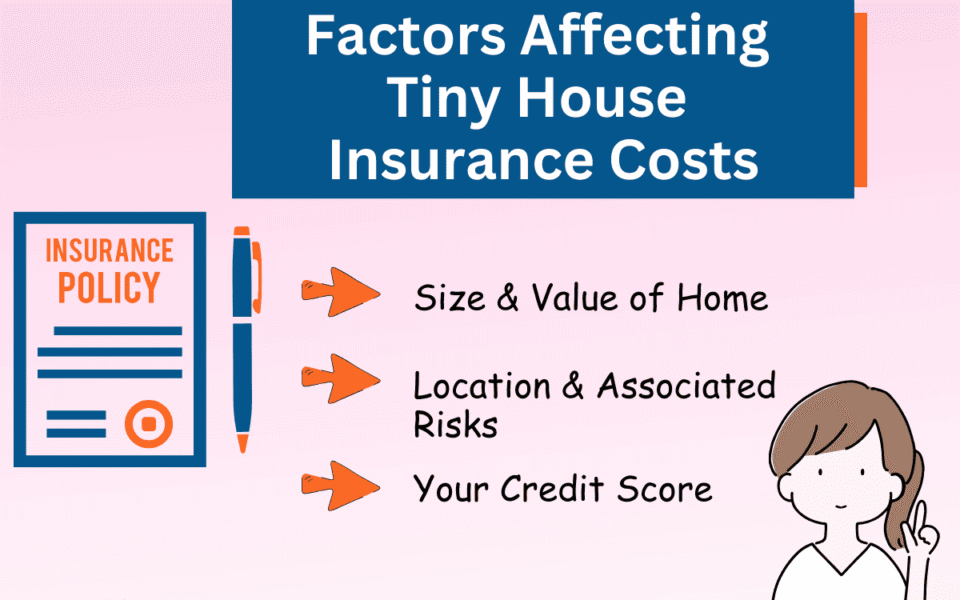
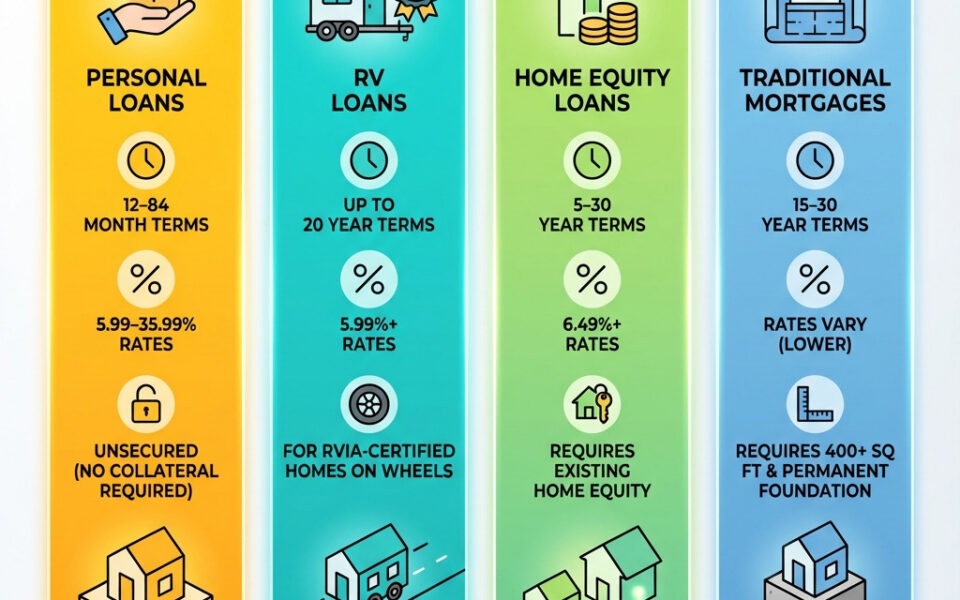
Obtaining a mortgage for a tiny house can be more difficult than for a conventional home, and insurance options may be limited. Financing options vary by lender, and insurance requirements depend on whether the home is classified as a recreational vehicle, a permanent dwelling, or something else. Check with multiple lenders and insurers to understand your options. Average costs for tiny homes range from $30,000 to $60,000, with 68% of owners mortgage-free, but plan for hidden costs including foundation, utilities, permits, and insurance (approximately $852 per year) [2].
Resale Value
The resale market for tiny houses is less established than for traditional homes. If you may need to sell your tiny house in the future, consider how easily you could find a buyer and what factors might affect the home's value. ## Is the Tiny House Lifestyle Right for You? The tiny house lifestyle is not for everyone, but for those who are drawn to it, the benefits can be profound. It offers a path to financial freedom, environmental responsibility, and a simpler, more intentional way of living. However, it also requires significant adjustments and comes with practical challenges that you should carefully evaluate. Before making a decision, visit a tiny house in person if possible, talk to current residents, and research zoning laws in your area. Consider your own tolerance for limited space, your need for privacy, and your long-term goals. For many Americans, the tiny house lifestyle represents a thoughtful answer to the question of how to live well—with less.
Sources
[2] Asking the Right Questions about Tiny Houses – U.S. Interagency Council on Homelessness. https://www.usich.gov/news-events/news/asking-right-questions-about-tiny-houses

This Post Has 29 Comments