Tiny House Zoning Laws and Legal Considerations
Tiny house living appeals to many Americans seeking affordability, simplicity, or a smaller environmental footprint. Before you buy land or place a tiny home, understanding zoning laws and building codes is essential. Tiny houses are legal throughout the United States, but where and how you can legally place one depends on a complex web of federal building codes, state laws, county regulations, and municipal zoning ordinances. Regulations vary dramatically by state, county, and even municipality, so careful research upfront can save you from costly mistakes. [1][2]
How Tiny Houses Are Classified
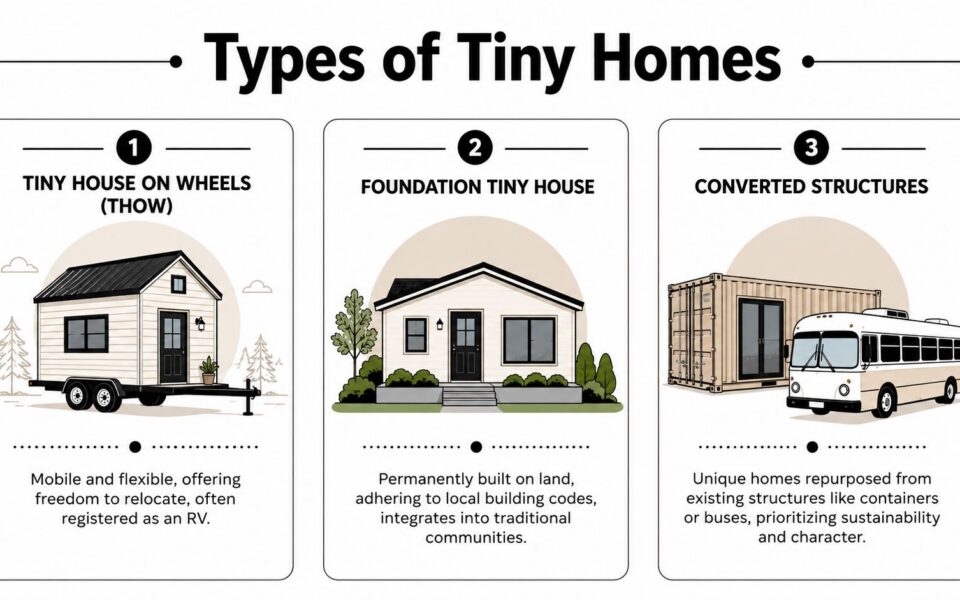
Your tiny house's legal status depends largely on how it is classified under local ordinances. The three most common categories are:
Foundation-built tiny homes are permanent structures on a solid foundation, typically subject to standard residential building codes. Laws tend to be more friendly toward tiny houses on foundations than toward tiny houses on wheels. [3]
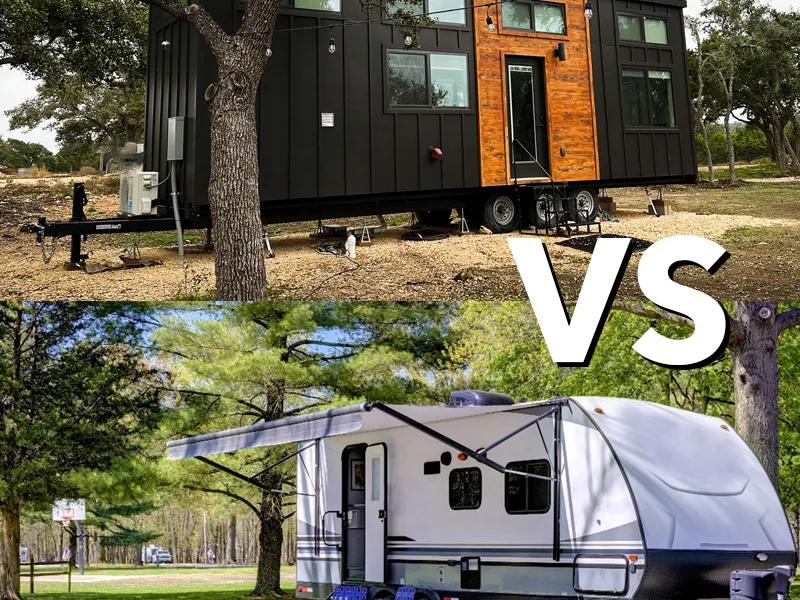
Tiny houses on wheels (THOWs) are mobile units often classified as recreational vehicles (RVs) or mobile homes, facing different rules than permanent homes. In Maryland, for example, tiny houses on wheels fall into the category of RV, and the only place they can be parked legally is in a dedicated RV park. Most RV parks have restrictions on length of occupancy. [3]
Accessory dwelling units (ADUs) are secondary living units on a property with an existing primary residence. A local government can permit permanent occupancy of tiny homes by amending its zoning code to specifically permit use of land for tiny homes as a primary or secondary detached dwelling unit in existing residential districts. [4][5]
Key Zoning Concepts
Residential Zoning Districts
Zoning regulations govern how land can be used. Some parcels are zoned for commercial uses, others for single-family homes. Before building or parking a tiny house, you must review zoning ordinances to ensure your structure is compliant. Start by contacting your local planning or zoning office to understand specific requirements and restrictions in your area. [1][2]
Minimum Dwelling Size Requirements
Many municipalities set minimum square footage requirements for permanent homes, and these rules can block tiny houses that fall below the threshold. Some areas might have a minimum size requirement that could disqualify smaller tiny homes. [1][2]
Rural vs. Urban Zoning
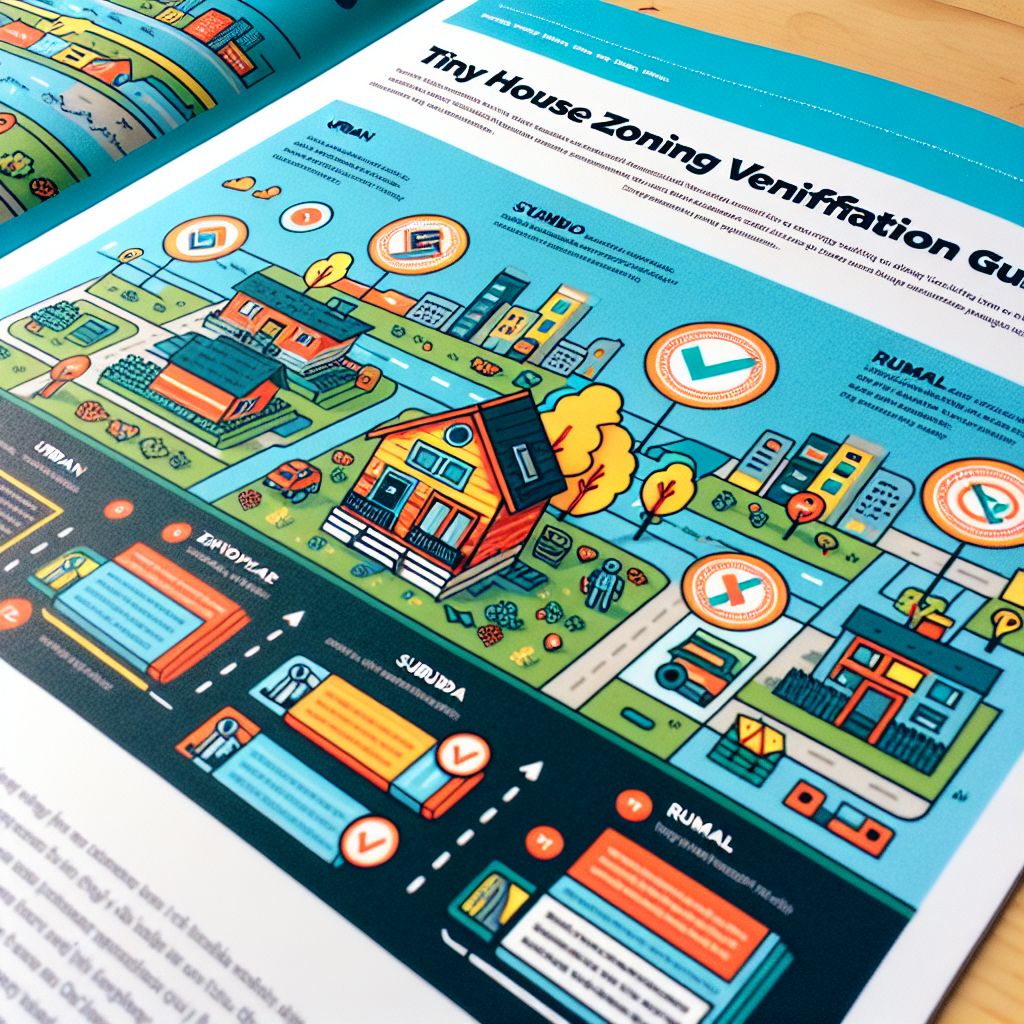
Rural areas often have less stringent regulations. The more rural a tiny homeowner is willing to go, the more likely they will be able to find a place to park or build a tiny house. In Maryland, for instance, some counties and cities have zoning laws that greatly restrict people from living in tiny houses, but rural locations offer more options. [3]
Density and Setback Restrictions
Many local ordinances set limits on how many dwellings can occupy a specific parcel of land, directly affecting whether tiny homes can be clustered or must be spaced further apart. Regulations may dictate how much green space must remain unbuilt, mandate setbacks from property lines, or require accommodations for stormwater management. [2]
State-by-State Overview
While local ordinances ultimately determine what is allowed, state-level trends can guide your search. Here is a snapshot of several states based on available information:
Nebraska – The state has drafted an official document that references the different types of tiny houses. While the document states that it is up to local jurisdictions when it comes to zoning requirements, cities like Lincoln are expected to become more welcoming toward tiny houses. [3]
Nevada – Tiny house regulations and codes may vary by city, town, or county. Nevada is fairly welcoming toward tiny houses, but individuals must abide by local regulations. In Clark County, sheds over 200 square feet require a building permit, and ADUs cannot have kitchen or cooking facilities. [3]
Maryland – Tiny houses are not yet acknowledged by the state. Laws are more friendly toward tiny houses on foundations rather than tiny houses on wheels. Tiny houses on wheels fall into the category of RV, but the only place they can be parked legally is in a dedicated RV park, and most RV parks have restrictions on length of occupancy. Some counties and cities in Maryland have zoning laws that greatly restrict people from living in tiny houses. [3]
Massachusetts – Rated as Tiny House Friendly: 8/10, though regulations and codes may vary by city, town, or county. There are currently a number of regulations that tiny house enthusiasts must abide by if their tiny home is to be considered legal. [3]
California – Statewide ADU law requires all jurisdictions to allow accessory dwellings, and Appendix AQ (state version) provides tiny house standards. [1]
Oregon – Favorable ADU laws, many jurisdictions allow THOWs as ADUs, and a progressive approach to alternative housing. [1]
Texas – Minimal statewide restrictions, flexibility at the county level, and a business-friendly environment for tiny house communities. [1]
North Carolina – Many jurisdictions have adopted Appendix Q, and there is a growing number of tiny house-friendly municipalities. [1]
Florida – No statewide minimum dwelling size, a favorable climate, and numerous RV parks welcoming tiny houses on wheels. [1]
Colorado – Several municipalities have adopted Appendix Q, and the Denver area has progressive ADU policies. [1]
Legislative Changes and Emerging Trends
Since 2007, "tiny homes" have become increasingly popular in the United States. Appendix Q to the 2018 International Residential Code ("IRC") defines a tiny house as a dwelling that has a floor area of 400 square feet or less, excluding lofts. The IRC model definition also requires a minimum ceiling height for habitable spaces (not less than 6 feet 8 inches), as well as overall compliance with relevant emergency escape and rescue openings specifications. [4][5]
Issues that towns and municipalities would need to consider in amending existing zoning regulations include the compatibility of tiny houses with existing residential zoning districts and surrounding zoning districts. Existing codes and regulations would need to be reviewed for factors such as required minimum lot size, building density, building setbacks and building restriction lines, and other design and development factors. [6]
Many tiny house owners focus on sustainability and environmental factors so that the houses are self-sustaining, with features such as solar energy and composting toilets. Those features may not fit in with adequate public facilities ordinances (APFO) and other code requirements of a more urban landscape and municipal zoning regulations, which often require that residential units are served by public facilities, such as public water and sewer services. [6]
In addition to zoning and subdivision regulations and building codes, many jurisdictions have also adopted adequate public facilities ordinances, which require that adequate public facilities are in place to support new development before the new development is approved and constructed. Public facilities to be considered under an APFO usually include a development's impact on roads, schools, parks, and other municipal services and facilities, and require the developer either to provide the facilities or pay fees for the resulting impact on existing facilities or new facilities. [6]
Permits and Legal Considerations
Building a tiny house on your property may require permits including building permits, electrical permits, plumbing permits, and zoning permits. Before building a tiny house, it is crucial to check with your local government to determine what permits are required. Failure to obtain the necessary permits can result in fines and legal action. [3]
In general, building a tiny house on your own property is legal, but there are a number of regulations and zoning laws that you will need to be aware of. Some states and cities have specific rules regarding the size and placement of tiny houses, while others are more lenient. It is important to do your research and make sure that you are in compliance with all local laws and regulations before you begin building. [3]
How to Research Your Local Laws
State-level information provides a starting point, but real decisions happen at the county and city level, where zoning boards control land use, minimum sizes, and acceptable dwelling types. Here are practical steps you can take, based on the available source information:
1. Contact your local planning or zoning office – Start by calling or visiting the office that handles building permits and land use. Ask specifically about tiny houses, minimum square footage requirements, and whether THOWs are treated as RVs or dwellings. [1][2]
2. Determine your zoning classification – Find out whether your property is zoned residential, rural, mixed-use, or something else, since this classification will determine what types of structures are allowed. [2]
3. Review development ordinances – Look for any specific rules about setbacks, height limits, foundation requirements, and utility connections. Zoning ordinances on the placement, size, and type of tiny home you want to construct affect the end product. [2]
4. Verify utility rules – If you plan to use alternative systems like composting toilets, solar panels, or propane, confirm that local codes permit them. Ensuring compliance with utility hookups like water, electricity, and sewage is vital for legal habitation. [2]
5. Consider consulting with professionals – Consulting with architects or builders experienced in tiny home construction can help navigate building codes and design specifications. [2]
6. Consult local government officials – Consult local government officials for clarification on the zoning or building restrictions if you are unsure about your research results. County code officials should help you understand which rules to follow. [3]
Practical Limitations and Recommendations
Navigating tiny house zoning laws by state can feel overwhelming because of the dramatic variation. Here are balanced recommendations based on the available source information:
If you want a foundation-built tiny home, you will generally have an easier path. Laws are more friendly toward tiny houses on foundations rather than tiny houses on wheels. [3]
If you prefer a THOW, expect more regulatory challenges. In Maryland, for example, tiny houses on wheels fall into the category of RV, and the only place they can be parked legally is in a dedicated RV park, with most RV parks having restrictions on length of occupancy. [3]
If you want an ADU, check whether your local jurisdiction has adopted provisions for accessory dwellings. A local government can permit permanent occupancy of tiny homes by amending its zoning code to specifically permit use of land for tiny homes as a primary or secondary detached dwelling unit in existing residential districts. [4][5]
If you are considering rural land, you may find more flexibility, but you still need to verify local ordinances. The more rural a tiny homeowner is willing to go, the more likely they will be able to find a place to park or build a tiny house. [3]
If you are in a restrictive area, be prepared for significant hurdles. Tiny house regulations and codes may vary by city, town, or county, so contacting your local municipality for the most up-to-date information is essential. In the United States, tiny house laws vary not only by state, but also by county, which makes pinpointing laws specific to each state tricky due to inconsistent regulations and codes from one jurisdiction to the next. [3]
Final Thoughts
Tiny houses are legal throughout the United States, but where and how you can legally place one depends on a complex web of state laws, county regulations, and municipal zoning ordinances. Reaching out to zoning officials, reviewing development ordinances, and verifying utility rules can prevent expensive mistakes. Because regulations and codes are actively changing, always verify current requirements with your local planning office and check the latest information for any tiny house you consider purchasing. With thorough research and careful planning, you can find a legal path to tiny house living that works for your situation. [1][3]
—
Sources
[1] "Tiny House Zoning Laws & Regulations | State-by-State Guide." Little Houses for Sale. Available at: https://www.littlehousesforsale.com/zoning
[2] "Navigating Regulations for Tiny Homes in the USA." My Cocoon Homes. Available at: https://mycocoonhomes.com/blog/navigating-regulations-for-tiny-homes-in-the-usa
[3] "Tiny House Laws in the United States." Tiny Society. Available at: https://www.tinysociety.co/articles/tiny-house-laws-united-states
[4] "Tiny Homes and Compact Living Spaces." Sustainable City Code. Available at: https://sustainablecitycode.org/brief/allow-tiny-homes-and-compact-living-spaces
[5] "Tiny Homes and Compact Living Spaces." Sustainable City Code. Available at: https://sustainablecitycode.org/brief/allow-tiny-homes-and-compact-living-spaces-4
[6] "Tiny Houses." Practical Law (Westlaw). Available at: https://content.next.westlaw.com/practical-law/document/I13e30c36a9c511ebbea4f0dc9fb69570/Tiny-Houses