How to Build a Tiny House on a Budget: A Practical Guide for US Readers
Building a tiny house can be an exciting path toward simpler living, but costs add up quickly without careful planning. With smart strategies and hands-on effort, you can build a tiny house for far less than national averages. This guide walks through key steps and evidence-backed approaches to make your budget-friendly tiny house a reality.
Understanding the Real Costs
Before starting, it helps to know what you're facing. In the United States, the average cost of a tiny house ranges from $30,000 to $90,000, with high-end builds exceeding $150,000. However, these numbers vary dramatically. A very small, simple DIY-built house could cost as little as $6,100, while a luxury tiny house with premium amenities might reach $240,000. The average across all types lands around $46,670. [1][5]
Your budget is highly flexible. Choices about materials, labor, and design determine whether you land at the low or high end of that spectrum. A significant portion of tiny house costs comes from building materials, while labor is another major expense. [1]
Choose Your Building Approach
Your biggest cost decision is how you'll build. Here are the three main routes:
1. Custom-Built by a Professional
Hiring a contractor to build a custom tiny house typically costs $50,000 to $140,000. This option gives complete control over design but comes with significant labor costs. If you hire an architect for a custom design, expect to pay $1,500 to $10,000+ just for the plans. [5][1]
2. Prefab or Kit Tiny Houses
Prefab tiny houses offer a middle ground, costing between $4,000 and $80,000+ depending on size and features. Prefabricated homes are built off-site and delivered, saving time and reducing construction errors. If efficiency and budget control are priorities, this practical option is worth considering. [5][1]
3. DIY Build (The Most Budget-Friendly)
Building it yourself offers the greatest savings. One documented example: Macy Miller built her tiny house for $11,416.16 using mostly recycled and donated materials plus a used trailer. A very small, simple DIY build can cost as little as $6,100. This route requires sweat equity, but the savings are real. [2][5]
Break Down Your Budget
To keep costs under control, understand where your money goes:
Land and Location
You cannot simply place a tiny house anywhere. Land costs vary wildly by region. Before buying or leasing land, check directly with your local tax office to confirm legal classification and tax rates for a tiny house to avoid unexpected expenses. Many locations have specific zoning laws dictating where tiny homes, RVs, and similar dwellings can be parked. Some small towns offer spacious homesites that accommodate tiny homes, while others restrict them to designated RV or tiny home communities. Thorough research on local laws ensures compliance. [1][4]
Foundation or Trailer
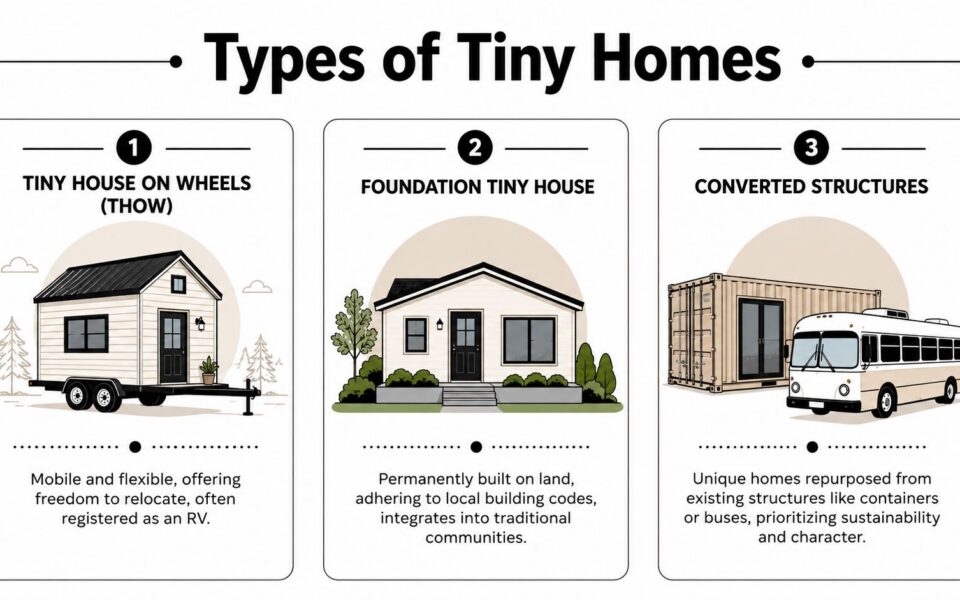
Tiny houses on wheels are generally more affordable than those on a permanent foundation. A tiny house on wheels costs $4,000 to $80,000, while a foundation-based build runs $50,000 to $140,000. A used trailer can save significant money—Macy Miller started with one for her $11,416 build. You can also purchase a deck to elevate the tiny house and reduce costs. [5][2][1]
Building Materials
A significant portion of your cost comes from materials. To save money, consider reclaimed or recycled materials. For a log cabin tiny house emphasizing natural aesthetics using primarily wood, reclaimed wood can reduce costs. Combining materials creatively also helps. [1][3]
Utilities: Water, Electricity, and Sewage
The key to a comfortable tiny house is its water, electricity, and sewage system. Plan these systems carefully—simple systems are easier to install and maintain in a tiny house setup. [1][3]
Labor
Labor is a significant expense in any tiny house build. By doing the work yourself, you can save thousands. If you need help with specific tasks, consider hiring tradespeople for just those jobs rather than a full contractor. [1]
Practical Strategies to Save Money
Reuse and Recycle Materials
This helps you save significantly while keeping the build eco-friendly. Look for reclaimed lumber, salvaged windows, and donated fixtures. [3]
Keep the Design Simple
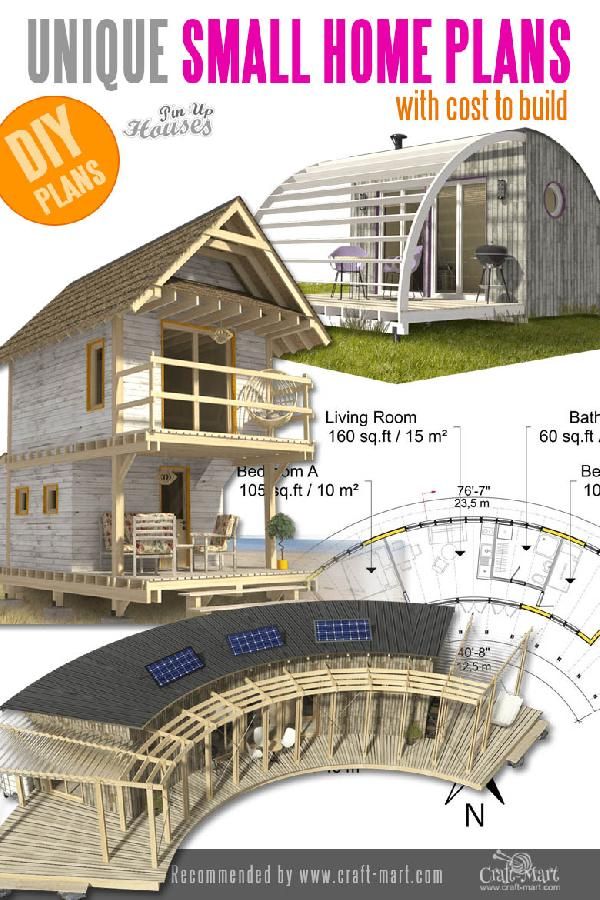
Complex designs cost more. An A-frame tiny house, with its steep triangular roof providing efficient water runoff and snow resistance, uses simpler shapes that require less material and are easier to build. Design is an often-overlooked factor in tiny house costs. [3][1]
Consider a Two-Story Design
A two-story tiny house optimizes space without expanding the footprint. Required materials include a structural steel frame, durable insulation, a stairway, and wood or lightweight concrete. This gives more living space without increasing land costs. [3]
Renovate an Existing Structure
Renovating an existing storage unit or tool shed into a living space is a cost-effective way to test the waters of tiny house living. You might find a small structure that already has a foundation and basic utilities. [1]
Plan Electrical and Plumbing Systems Carefully
Simple systems are easier to install and maintain. If you're not experienced, consider hiring a licensed electrician or plumber for critical connections while doing the rest yourself. [3]
Financing Your Build
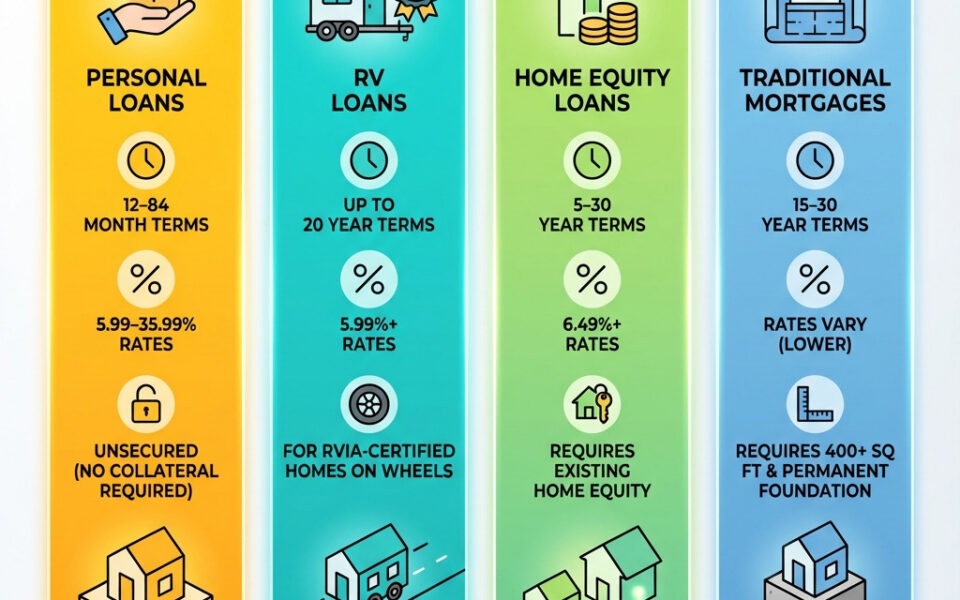
While home loans are not always the best fit for a tiny house, exploring your financing options helps determine what you can comfortably afford. Comparing loan rates helps decide whether financing a portion of your build makes sense for your budget. Some people sell their current property to free up funds—many homeowners choose cash-for-home solutions to avoid delays and uncertainty of a traditional home sale. A quick cash sale can provide financial flexibility to begin your tiny house project sooner. [2]
Practical Limitations to Keep in Mind
Building a tiny house on a budget comes with trade-offs. You may need to compromise on square footage, finish quality, or timeline. A very small, simple house might be under 200 square feet, while a more comfortable build might be 400 square feet. Tiny houses are expensive compared to their size, but the long-term costs of living in one are very low. [5][2]
Every inch matters in a limited layout. Choosing small-scale, high-design accents helps keep the space sophisticated without visual clutter. Incorporating sculptural tabletop pieces allows everyday ritual tools to double as minimalist decor, ensuring your relaxation setup stays on display as a beautiful visual statement rather than creating clutter. [2]
Tiny House Communities and Location Options
Tiny home villages provide an innovative approach to affordable housing options. Located in small towns and urban areas alike, these micro-home communities offer a unique blend of charm and practicality. Many residents create second homes within these united dwelling spaces, embracing tiny living on a modest budget. The sense of community fosters connections among inhabitants, enhancing the appeal of these tiny house communities. [4]
Across the United States, several notable tiny house communities stand out for their unique charm and appeal. These tiny house estates offer a blend of high-end tiny houses and affordable options, catering to diverse lifestyles and budgets. Tiny house communities often feature thoughtfully designed lots that provide both privacy and community interaction, with easy access to amenities and natural surroundings. [4]
Final Recommendations
If you're serious about building a tiny house on a budget, here's a realistic path:
1. Start with a simple design—avoid complex rooflines and custom features. Shelter Dome offers several practical and aesthetically pleasing tiny house designs that effectively reduce the average cost of building. 2. Use recycled and donated materials whenever possible. Reusing materials helps save significantly while keeping the build eco-friendly. 3. Build it yourself or with friends and family. Doing your own labor eliminates one of the largest expenses in tiny house construction. 4. Consider a used trailer if you want a mobile tiny house. Starting with a used trailer saves quite a bit of money. 5. Research local zoning and permits before you buy land. Understanding regulations and permits for tiny house parking is essential for those interested in the tiny lifestyle. 6. Plan your utilities carefully to avoid costly mistakes. Simple systems are easier to install and maintain. [1][3][2][4]
With these strategies, you can build a tiny house that fits your budget and lifestyle. The affordability of tiny house living is within reach—you just need a solid plan and the willingness to put in the work.
—
Sources
[1] Cost of Tiny House in 2025: Complete Price Guide – https://shelter-dome.com/blogs/cost-of-tiny-house
[2] 3 Cheap Ways to Build Your Own Tiny House on a <$12K Budget – https://thetinyhouse.net/build-cheap-tiny-house
[3] Tiny House Building Costs – https://tinyhousewow.com/building-costs
[4] Discover the Best Tiny House Locations in the United States – https://tinyhousecomfort.com/best-tiny-house-locations-in-the-united-states
[5] How Much Does a Tiny House Cost in USA? A Comprehensive Guide – https://downsizegeek.com/how-much-does-a-tiny-house-cost-in-usa