Finding Legal Parking for Your Tiny House: A Practical Guide
One of the biggest hurdles in the tiny house movement is figuring out where to legally park your home. Unlike a traditional house, a tiny house—especially one on wheels—doesn’t fit neatly into most zoning codes. This guide walks you through the legal landscape, parking options, and practical steps to secure a spot for your tiny home in the United States.
Understanding the Legal Landscape
Before you start looking for a parking spot, you need to understand how your tiny house is classified. This classification determines where you can park it legally.
Tiny Houses on Wheels vs. Foundation-Built Homes
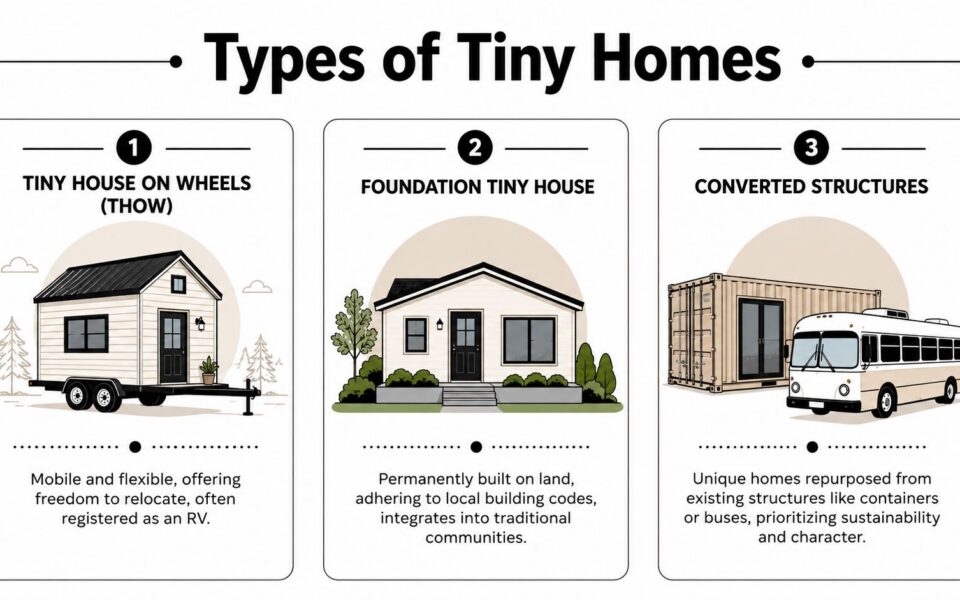
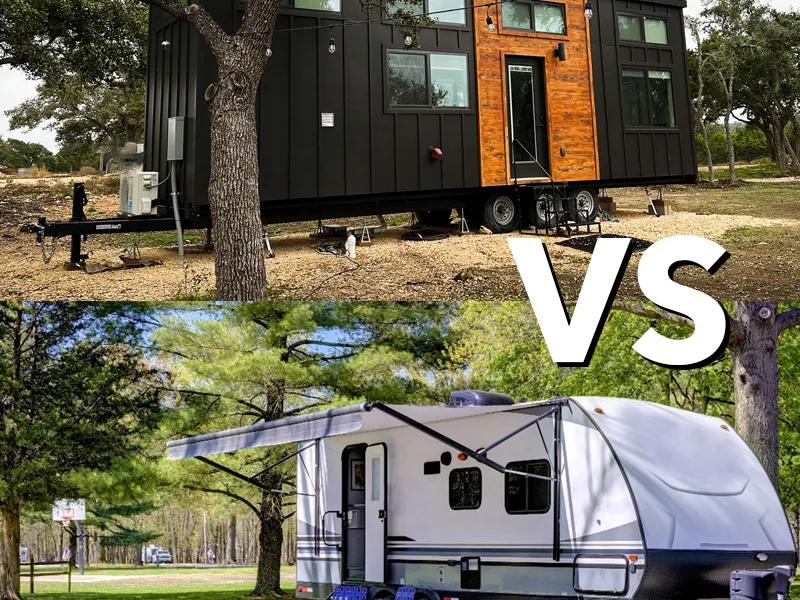
A tiny house on wheels (THOW) is legally considered a recreational vehicle (RV) in most jurisdictions. This means it must be registered as an RV, and you’ll need to find a place to park it accordingly. Foundation-built tiny houses, on the other hand, are treated as site-built structures and must comply with local building codes for permanent dwellings. [4]
The distinction matters because most states do not allow full-time residency in an RV unless it is parked in a designated RV park. That said, these rules are not always strictly enforced unless neighbors or local officials raise a complaint [4].
Zoning Laws Vary Widely
Zoning laws—which dictate how land can be used and what types of structures are allowed—vary significantly by city, town, and county. Some areas have specific zoning laws for tiny houses, while others classify them under the same regulations as RVs or mobile homes. Before purchasing or building a tiny home, research the laws in your area by visiting local government websites or consulting a legal expert to prevent future legal troubles. [4][1][2]
Key Legal Classifications for Tiny Houses
Tiny houses must comply with one of the following options depending on their construction and intended use [4]:
- Site built: A building constructed at the location where it will be used, not intended to be moved.
- Modular building: A prefabricated building component assembled at the building site.
- HUD manufactured home: A structure built in compliance with HUD manufactured home construction and safety standards.
- Recreational Vehicle: A motor home, travel trailer, truck camper, or camping trailer designed for recreational or emergency human habitation. Maximum width is 8½ feet.
Parking Options for Tiny Houses
Once you understand the legal framework, you can explore where to park. Here are the most common options, each with its own advantages and challenges.
RV Parks and Campgrounds
Many RV parks and campgrounds welcome tiny houses, especially those certified as RVs. These locations typically offer ready-to-use utility hookups for electricity, water, and sewage, as well as amenities like laundry facilities, community spaces, and Wi-Fi. Look for parks that offer extended-stay rates and year-round accessibility. Some seasonal parks in tourist areas may offer discounted off-season rates for long-term stays. [1][3]
What to check: Research park policies regarding tiny home specifications, age restrictions, and aesthetic requirements [3]. Verify current rates, availability, and rules directly with the park.
Tiny House Communities
Tiny house communities are becoming more popular and offer ready-to-use lots with existing utilities and amenities. These communities provide a sense of shared resources and often have established rules that make parking straightforward. [2][3]
What to check: Membership or lot fees, community rules, and whether the community is zoned for full-time residency. Verify current availability and pricing directly with the community.
Private Land Rentals
Renting space on private land—such as someone’s backyard or a rural property—can be a flexible option. Private landowners may be willing to rent out space for parking a tiny house. This option often requires building a positive relationship with the property owner and understanding the rental agreement. [2][3]
What to check: Ensure the land is zoned for tiny house parking or RV residency. Verify that utilities (water, electricity, sewage) are available or can be added. Get a written lease that clearly outlines terms.
Building an Accessory Dwelling Unit (ADU)
Some homeowners build a tiny house as an accessory dwelling unit (ADU) on their property. However, this option also has zoning and legal requirements that must be met. Check with local authorities to ensure your ADU meets all necessary regulations. [2]
What to check: Local ADU ordinances, setback requirements, parking minimums, and utility connections. Verify current regulations with your local planning department.
Online Resources for Finding Parking
Several online platforms can help you find available parking options:
- Tiny House Listings: A dedicated marketplace for tiny house parking and sales.
- Craigslist: Search under “housing” or “parking & storage” for private land rentals.
- Local real estate agents: Agents familiar with zoning laws for tiny houses can provide leads [5].
Practical Considerations for Long-Term Parking
Once you’ve found a potential spot, evaluate these factors to ensure long-term success.
Utilities and Hookups
Proper parking ensures you have access to necessary utilities and services [1]. For RV parks, hookups are usually included. On private land, you may need to arrange for water delivery, solar power, or a septic system. Verify what utilities are available and what you’ll need to bring or install.
Insurance
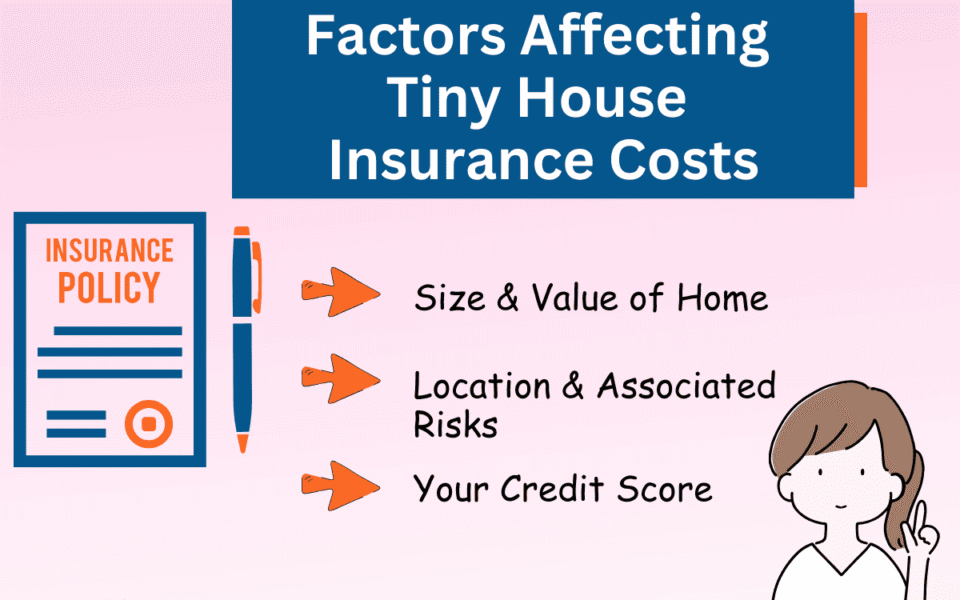
Securing proper insurance for your tiny house parking situation is essential for protecting both your dwelling and liability risks [3]. Check with insurers that specialize in tiny homes or RV insurance to get coverage that matches your parking arrangement.
Safety and Weather Considerations
A tiny house must be tightly secured to the ground when parked in order to withstand weather [4]. If you’re parking on private land, ensure the site is level, well-drained, and protected from high winds. For THOWs, use proper tie-downs or anchors.
Building Relationships with Neighbors
Building positive relationships with neighbors and the local community is essential for successful tiny house living. A good relationship can help prevent complaints that might trigger enforcement of otherwise relaxed zoning rules. [3][4]
State-Specific Examples: Colorado
While laws vary, Colorado offers a useful example of how to approach tiny house parking. In Colorado, tiny house dwellers can choose from private land rentals, tiny house communities, and RV parks. However, local zoning regulations vary significantly, so it’s crucial to research and comply with regulations regarding where tiny houses can be parked. [5]
Challenges in Colorado: Parking can be complicated due to strict zoning regulations, limited legal parking spots, and ensuring access to utilities [5].
Resources: Use online platforms like Tiny House Listings and Craigslist, join tiny living community forums, and connect with local real estate agents familiar with zoning laws for tiny houses [5].
Emerging Trends and Advocacy
Tiny house-friendly zoning reforms are creating more opportunities for permanent tiny house parking in some areas. For example, San Diego and San Jose, California, have passed ordinances allowing movable tiny houses in certain zones. Consider investing in land specifically zoned for tiny home development, or partner with other tiny house enthusiasts to purchase larger lots and split development costs while creating intentional communities. [3][6]
If your area lacks tiny house-friendly zoning, consider attending advocacy training to learn best practices for working with local officials to help get tiny homes legalized in your city or county [6].
Final Recommendations
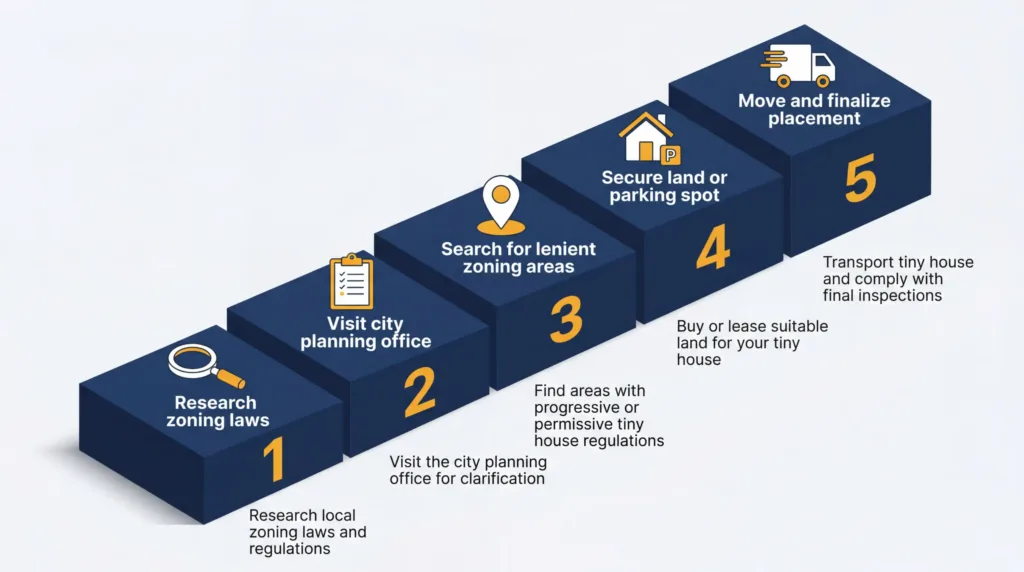
1. Start with research: Check local zoning laws and building codes before buying or building. Visit local government websites or consult a legal expert. 2. Know your classification: Understand whether your tiny house is classified as an RV, manufactured home, or site-built structure. 3. Explore multiple options: RV parks, tiny house communities, private land rentals, and ADUs each have different requirements and benefits. 4. Verify everything: Prices, stock, availability, and park policies change frequently. Always verify current details directly with the property owner, park manager, or local government. 5. Build relationships: A good relationship with landowners and neighbors can make or break your tiny house experience. 6. Consider advocacy: If local laws are restrictive, get involved in advocacy efforts to legalize tiny homes in your area. [1][2][4][3][6]
Sources
1. A Comprehensive Look at Tiny House Parking 2. Where to Park a Tiny House: Tips and Options 3. 11 Tiny Home Parking Spots That Enable Location Freedom 4. Tiny House Laws in the United States 5. Where Can You Park a Tiny House in Colorado: A Complete Guide 6. Tiny House Zoning Archives – Tiny House Expedition