Tiny House FAQ: Common Questions Answered
Thinking about downsizing to a tiny house? You're not alone. The tiny house movement has been growing steadily in the United States since 2007, driven by promises of affordability, sustainability, and a simpler lifestyle. But before you take the plunge, there are some important questions you'll want answered. This FAQ covers the essentials to help you make an informed decision. [3][4]
What Exactly Is a Tiny House?
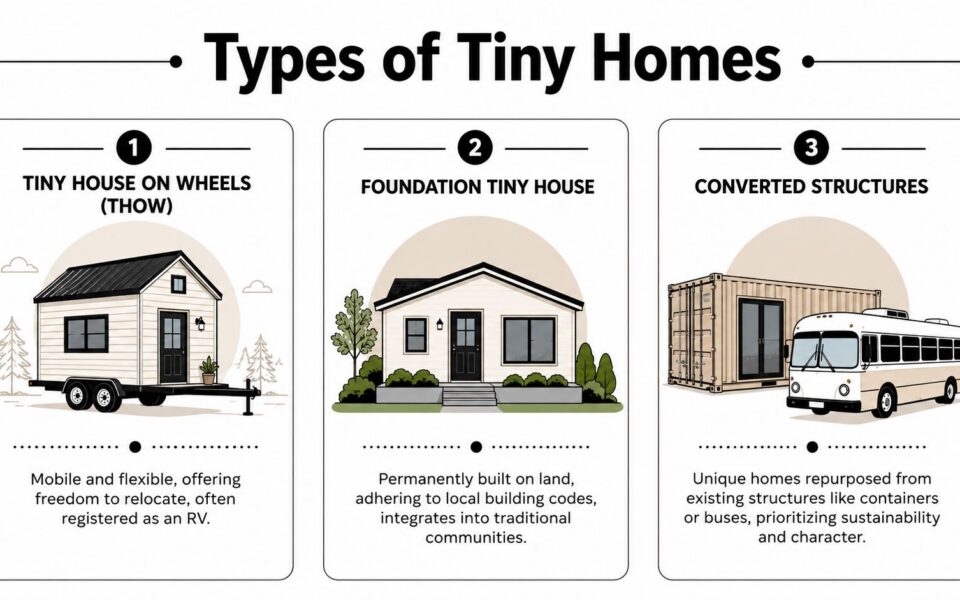
The International Residential Code (IRC) defines a tiny house as a dwelling with a floor area of 400 square feet or less, excluding lofts. That's roughly the size of a standard two-car garage. However, "tiny house" can mean very different things depending on who you ask. Some are fully self-contained units that comply with local building codes and include a full kitchen and bath, while others have shared amenities, lack utilities, or are built on trailers or wheels. [4][1]
When people talk about tiny houses, they're often referring to structures that range from 100 to 400 square feet, designed to maximize every inch of space [3]. The key is understanding what type you're considering and whether it meets your needs.
Are Tiny Houses Legal in the United States?
Legality depends entirely on your local zoning laws and building codes, which vary by state and city. There is no single national rule. Local governments can permit permanent occupancy of tiny homes by amending their zoning code to specifically allow tiny homes as primary or secondary detached dwelling units in existing residential districts. [3][4]
What this means for you: You need to check with your local planning department. Some communities allow tiny houses by-right, while others require a conditional use permit, special exception, or a standard building permit. Many tiny house dwellers choose to "fly under the radar" rather than getting formal permission, but this approach carries risks. [4][5]
How Much Does a Tiny House Cost?
Tiny houses typically cost between $10,000 and $100,000, depending on size, materials, and customization [3]. That's a wide range because costs vary dramatically based on whether you build it yourself, buy a prefab model, or hire a custom builder.
Important: Prices change frequently. Always verify current pricing with manufacturers or retailers before making decisions. The lower end of that range usually means a DIY build or a very basic shell, while the upper end includes professionally built, fully finished homes with high-end finishes.
What Building Codes Apply to Tiny Houses?
Your tiny home must meet the regulations set by authorities to ensure it's safe to live in. Building codes change from state to state, so it's critical to research your local requirements [6]. Common code requirements include:
- Adherence to the International Building Code and International Residential Code
- A minimum ceiling height of 6 feet 8 inches in common areas
- At least one window that can be used as an emergency escape
- One bathroom with a ceiling height of at least 6 feet 4 inches
- A staircase or ladder for lofts [6]
The IRC's Appendix Q provides model specifications for tiny houses, including these minimum ceiling height and emergency escape requirements [4]. Always verify current code requirements with your local building department.
Can I Live in a Tiny House Full-Time?
Yes, but it requires careful planning. Communities need to decide whether a tiny house village will offer permanent housing, transitional housing, or something more akin to shelter [2]. For individual homeowners, living full-time in a tiny house means addressing:
- Sewage disposal – Will you connect to municipal sewer, use a septic system, or install a composting toilet?
- Water supply – Do you have access to a reliable water source?
- Electricity – Will you connect to the grid or use solar panels?
- Internet – Can you get reliable service where you plan to park? [3]
Practical advice: Plan for the setup of essential services before moving in. Creative solutions like solar panels can help manage costs, but budget for initial setup expenses [3].
Are Tiny Houses Safe?
Safety depends on whether the structure meets building codes and has been properly constructed. Ask these questions before committing to a tiny house:
- Are the structures up to code?
- Have there been past safety issues (such as patterns of fires or related hazards)?
- Are they appropriately insulated for cold weather and ventilated for heat?
- Do they offer privacy and security?
- Are they ADA compliant? [2]
Any tiny house development should reflect home and community-based living standards, including safety and quality. If you're considering a manufactured tiny house, ask the manufacturer about past safety issues and what they've done to address them. [1][2]
What Amenities Should a Tiny House Have?
A well-designed tiny house should offer basic living amenities such as a kitchen area and a bathroom with running water. Does it look and feel like housing, or more like a garden shed? Getting people into housing means upholding their dignity, and any tiny home structure must be a desirable option for doing so. [2]
Layout matters: Know the layout of your tiny home beforehand, including where all installations and amenities will be. This helps in planning and ensuring the home meets your needs [3].
Can Families with Children Live in Tiny Houses?
It's possible, but you need to consider space needs carefully. Older children, in particular, may need privacy. You might need to think about additional rooms or an accessory dwelling unit (ADU) to accommodate everyone comfortably [3]. Also consider your pets and their space requirements.
How Do Tiny House Communities Work?
Tiny home communities can be close-knit. Consider whether you're comfortable with that level of closeness or if you'd prefer a more secluded setup. Research the types of tiny home communities available and speak with current residents to gauge if the community fits your preferences. [3]
Communities also need to decide on ownership and governance models. Will tenants be involved in governance? How will services like home maintenance, sanitation, and security be provided? What will be the system for addressing rule violations or disputes between neighbors? [2]
Should I "Try Before I Buy"?
Absolutely. If possible, rent a tiny space temporarily to get a feel for the lifestyle and understand your space and storage needs better [3]. This is one of the most practical steps you can take before committing to a purchase or build. It helps you discover what you truly need versus what you think you need.
How Do I Choose a Builder or Manufacturer?
You can buy tiny houses from companies like Tumbleweed, Tiny Heirloom, and Mustard Seed Tiny Homes [3]. Before hiring anyone:
- Ensure everything is documented, especially when working with a certified builder
- Request blueprints, a detailed schedule, and a breakdown of costs and warranties
- Ask about past safety issues and how they've been addressed
- Verify that the builder complies with local building codes [3][2]
Note: Manufacturer availability, pricing, and model options change frequently. Always verify current offerings and pricing directly with the company.
What About Financing and Insurance?
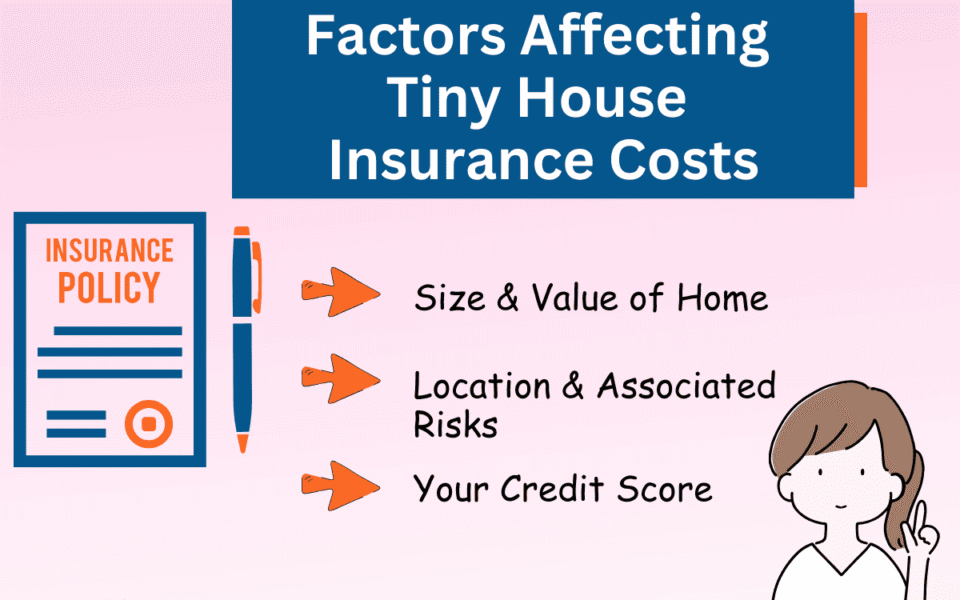
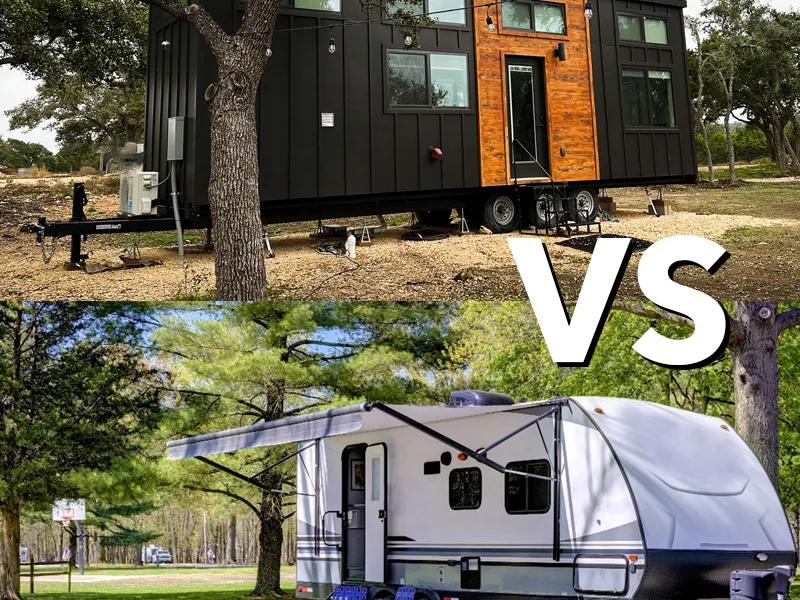
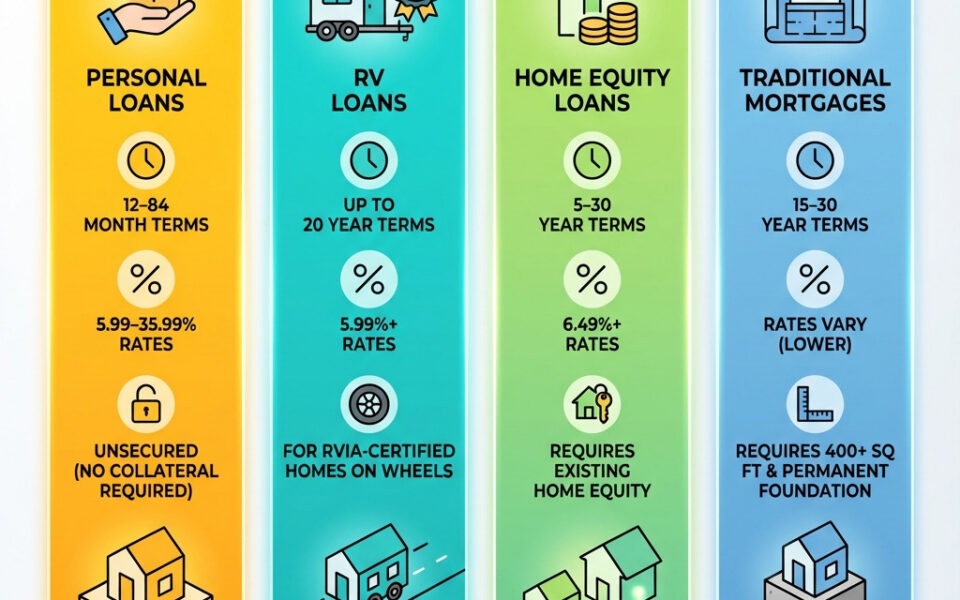
Financing a tiny house can be challenging because many lenders won't treat them as traditional real estate, especially if they're on wheels. Insurance can also be tricky. Check with local banks, credit unions, and insurance agents who specialize in tiny homes or RV coverage if your tiny house is on a trailer.
What Should I Ask Before Joining a Tiny House Community?
Before banking on tiny homes, it is critical that people who will live there have weighed in on the design and whether it meets their needs [2]. Ask these questions:
- Will the tiny homes provide a home-like environment and meet housing quality standards?
- Do tiny homes provide a living environment that a potential resident would choose?
- Is the design informed by people with lived experience? [1][2]
Your exploration of tiny homes should be embedded in a comprehensive planning process that includes a broad range of stakeholders [1].
What Are the Practical Limitations of Tiny House Living?
Tiny house living isn't for everyone. Consider these limitations:
- Space constraints – You'll need to downsize your possessions significantly
- Zoning challenges – Finding a legal place to park or build can be difficult
- Utility setup costs – Connecting to water, sewer, and electricity can be expensive
- Resale value – Tiny houses may not appreciate like traditional homes
- Family dynamics – Space for children, guests, and pets is limited [3]
Final Recommendations
Before you commit to tiny house living:
1. Research local zoning and building codes – This is the single most important step 2. Try before you buy – Rent a tiny space for at least a week 3. Talk to current tiny house residents – Get real-world perspectives 4. Plan for utilities – Budget for sewage, water, electricity, and Internet setup 5. Get everything in writing – Blueprints, schedules, costs, and warranties 6. Verify current prices and availability – Costs and manufacturer offerings change frequently [3]
Tiny house living can be rewarding, but it requires careful planning and realistic expectations. Start with thorough research, and you'll be better prepared for the journey ahead.
—
Sources
1. Asking the Right Questions about Tiny Houses – USICH 2. Tiny Homes Beg Big Questions – National Alliance to End Homelessness 3. Tiny House Movement in the United States – Odin Lake 4. Tiny Homes and Compact Living Spaces – Sustainable City Code 5. Your Questions, Answered – The Tiny House 6. Everything You Need to Know About Tiny Homes – NTS Logistics